7 Most Common Sports Drinks Used in Puerto Rico
Written by: Rocío Rivera-Ortega, MS, RD, LND & Tatiana Velez, MS, RD, LND, CPT
Co-author: Nancelys M. Rodríguez
When participating in sports or engaging in physical activity, it is common to reach for sports drinks.
Our role as sports dietitians includes educating athletes and the general population about nutritional value, ingredients, and the reasons why sports drinks are used.
Disclaimer: You support us with your purchase through a small percentage Amazon gives us at no additional cost to you. Thank you!
What is a sports drink?
Sports drinks, also known as isotonic beverages, are drinks designed to be consumed during or after exercise. They provide a balanced amount of carbohydrates, electrolytes, and fluids to promote hydration and energy replenishment.
The carbohydrates (sugar) in these drinks help provide and restore the energy the body needs during prolonged or high-intensity exercise. Electrolytes support hydration and replace minerals lost through sweat, especially sodium, which is one of the main ones.
Below are the most important evidence-based details of the most common sports drinks.
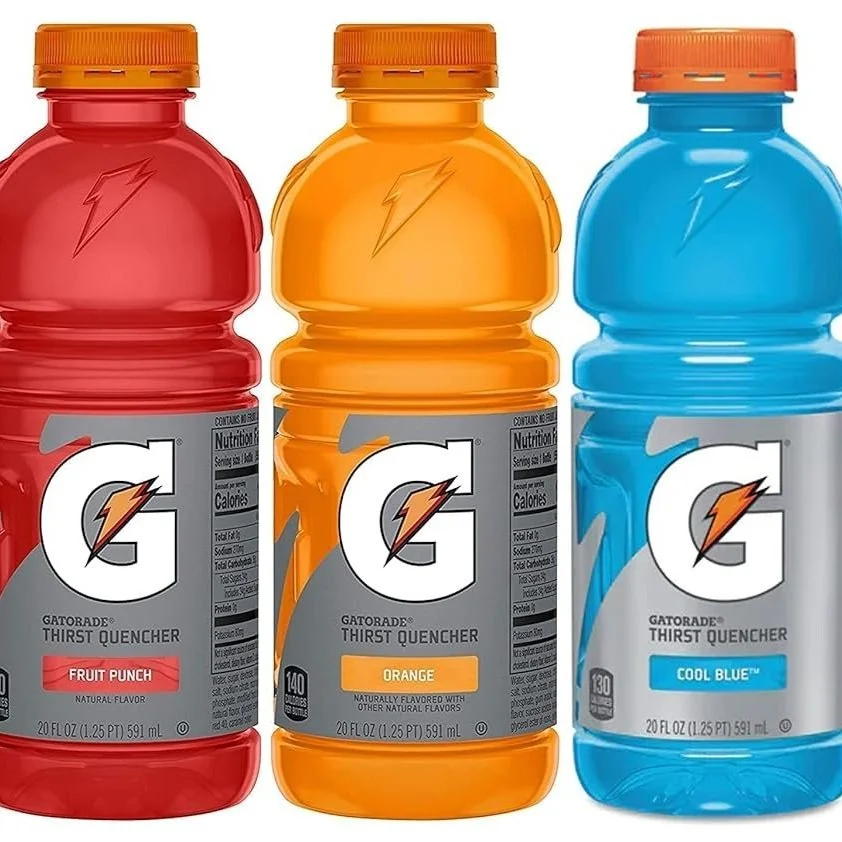
Gatorade
Gatorade is one of the most well-known and widely used sports drinks in sports and exercise. It comes in multiple flavors and sizes.
A 20.3 fl oz bottle of Gatorade provides 36 g of carbohydrates, 270 mg of sodium, and 60 mg of potassium.
Its carbohydrate content falls within appropriate ranges for a sports drink and provides a good energy source. It also supplies the two main electrolytes found in sports beverages.
Gatorade is highly accessible, making it convenient for many athletes. It is recommended for sports that rely on high energy demands, including:
Team sports (e.g., soccer, volleyball, basketball, baseball)
Endurance and ultra-endurance sports (e.g., cycling, triathlon, marathon)
Aquatic and racket sports
Long-duration, high-intensity exercise (e.g., CrossFit)
Gatorade can be used by recreational, professional, and elite athletes. However, it may not be recommended for individuals with chronic conditions such as cardiovascular disease, kidney disease, or diabetes.
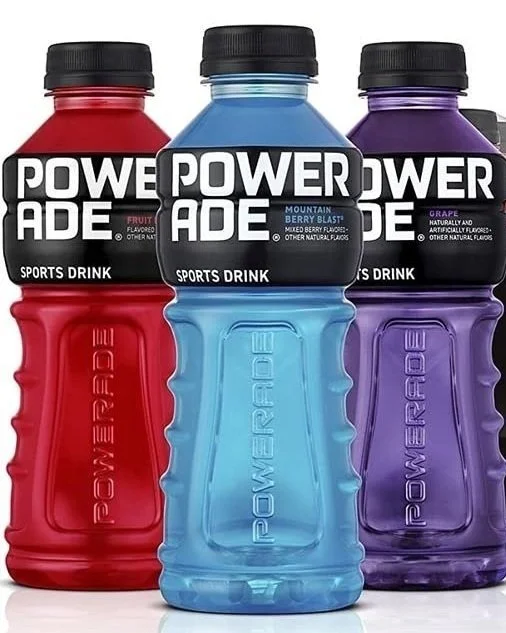
Powerade
Another commonly selected sports drink in Puerto Rico is Powerade. A 20 oz bottle provides 34 g of carbohydrates, 250 mg of sodium, and 60 mg of potassium.
Its nutritional profile shows a good energy contribution from carbohydrates and provides the main electrolytes found in sports drinks. It also contains magnesium, calcium, and B vitamins.
Like Gatorade, it can be used across multiple sports and competitive levels, including:
Endurance and ultra-endurance athletes (cycling, triathlon, marathon)
Team sport athletes (soccer, volleyball, basketball, baseball)
Aquatic and racket sports
High-intensity, long-duration exercise (CrossFit)
It is not recommended for individuals with diabetes, cardiovascular disease, or kidney disease.
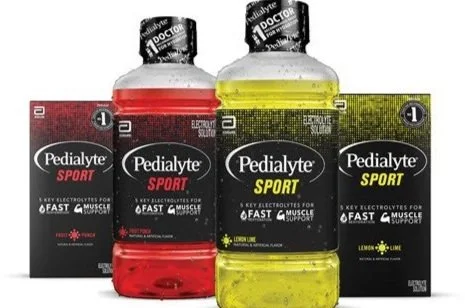
Pedialyte Sport
Pedialyte is best known for medical use in gastrointestinal illness recovery or dehydration treatment. However, it is also used in sports contexts.
A 33.8 fl oz bottle of Pedialyte Sport provides 14 g of carbohydrates, 1,380 mg of sodium, and 1,320 mg of potassium.
Its carbohydrate content is low compared to other sports drinks, so it provides limited energy. However, its electrolyte content is significantly higher.
These electrolyte levels may benefit athletes with high sweat rates or those training in extreme environmental conditions (e.g., high heat).
It can be used by recreational, professional, and elite athletes across different sports. However, due to low carbohydrates, it may not be ideal for endurance or high-intensity sports where energy needs are higher.
It can be combined with external carbohydrate sources such as food or sports supplements. It is not recommended for individuals with cardiovascular or kidney conditions.
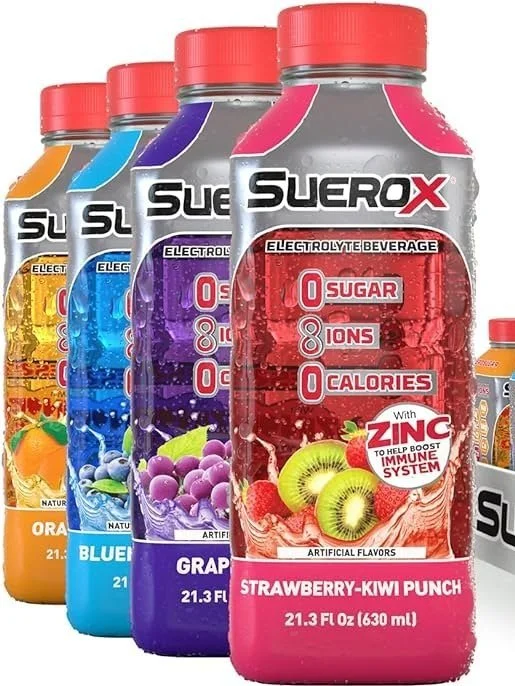
Suero X
This sports drink comes in four flavors and multiple sizes. A 12 oz serving contains 0 g of carbohydrates, 170 mg of sodium, and 92 mg of potassium. It also provides calcium, magnesium, and zinc.
Unlike other sports drinks, Suero X contains no carbohydrates, so it does not provide energy for exercise. However, its electrolytes support hydration and replacement of minerals lost during activity.
It is better suited for low-intensity, short-duration exercise. It is not recommended for high-intensity or endurance athletes such as cyclists, runners, or team sport athletes due to lack of carbohydrates.
It is not recommended for individuals with cardiovascular or kidney conditions. It may be an option for individuals with diabetes since it contains no sugar.
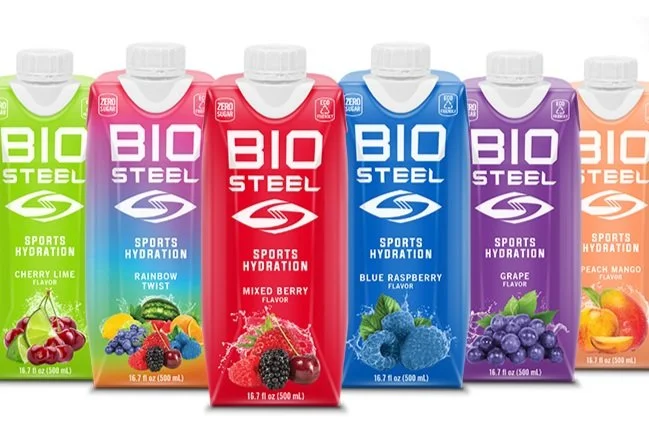
Biosteel
Biosteel comes in various flavors in a 16.7 fl oz bottle. It contains 1 g of carbohydrates, 230 mg of sodium, and 230 mg of potassium, along with magnesium and calcium.
It provides a strong electrolyte profile, making it a good option for hydration during high-performance activity. However, it does not provide meaningful energy due to its low carbohydrate content.
It may be suitable for moderate-intensity or short-duration exercise such as strength training or gym workouts. It is not ideal for endurance sports requiring high energy intake.
For endurance athletes, it can be combined with carbohydrate sources from food or supplements.
It is not recommended for individuals with cardiovascular or kidney conditions. It may be suitable for individuals with diabetes due to lack of sugar.
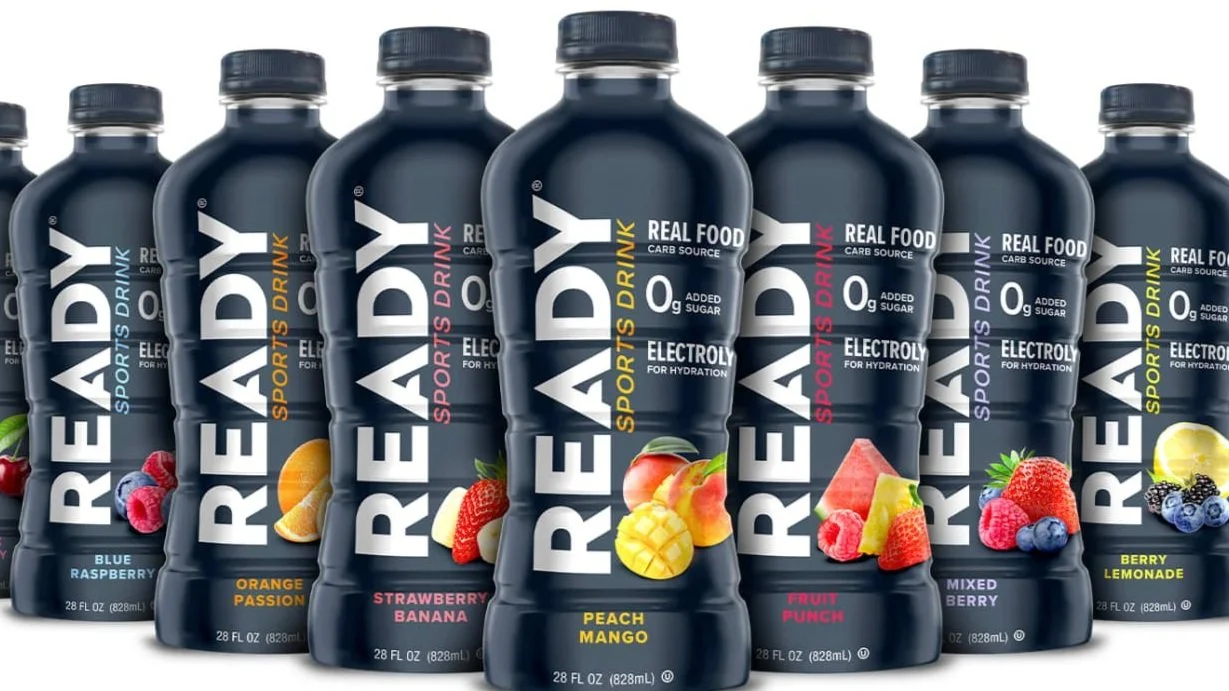
Ready Sports Drink
Ready Sports Drink comes in a 28 oz bottle and contains 42 g of carbohydrates, 400 mg of sodium, and 331 mg of potassium.
Its carbohydrate source comes from fruits and vegetables rather than added sugars.
It provides a strong electrolyte profile, supporting fluid balance and muscle contraction. It also contains magnesium and vitamins.
Its carbohydrate content falls within recommended ranges for sports drinks, making it a good energy source. It is recommended for:
Endurance and ultra-endurance sports (cycling, triathlon, marathon)
Team sports (soccer, volleyball, basketball, baseball)
Aquatic and racket sports
Recreational, professional, and elite athletes
It is not recommended for individuals with sensitive gastrointestinal systems, cardiovascular disease, kidney disease, or diabetes.
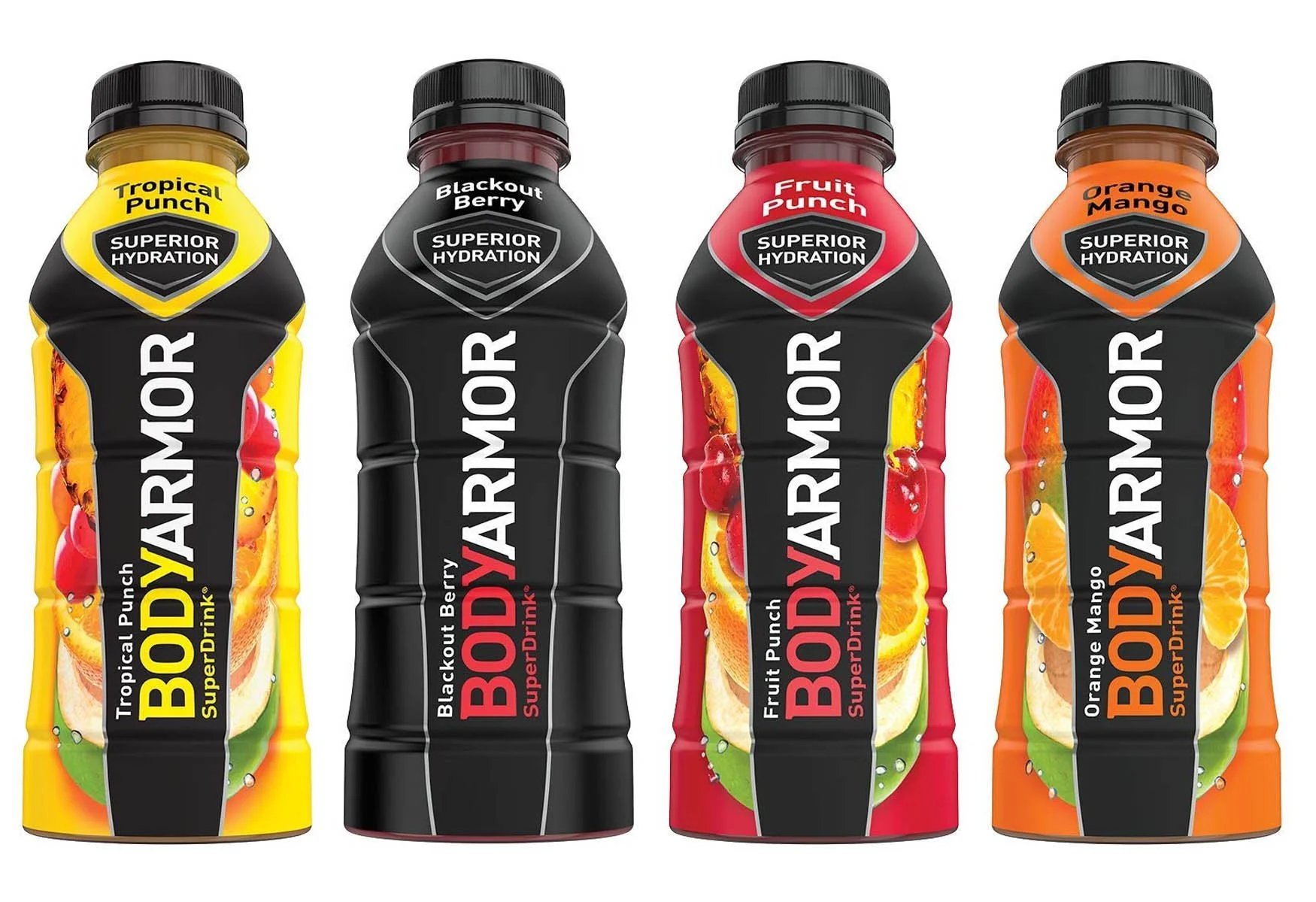
BodyArmor
The BodyArmor sports drink has around 12 flavors within its product line. According to its nutrition label, a 16 fl oz bottle contains 28 g of carbohydrates, 40 mg of sodium, and 700 mg of potassium. Its sodium content is significantly lower than that of other sports drinks. In contrast, its potassium content is higher.
The carbohydrate amount falls within appropriate ranges for a sports drink and provides a good energy source. Unlike other sports beverages, BodyArmor uses natural fruit flavors and also contains additional nutrients such as vitamins and antioxidants.
This drink can be used by athletes across different competitive levels and sports, especially those requiring an energy contribution. However, for high-intensity and long-duration sports (e.g., endurance and ultra-endurance sports), it may not be the best option due to its low sodium content. Its use is also not recommended for individuals with cardiovascular or kidney conditions or diabetes.
Why use a sports drink?
During physical activity, body temperature rises, especially during prolonged exercise in hot environments.
This leads to sweating, resulting in fluid and electrolyte loss. At the same time, energy stores are depleted as exercise continues.
Therefore, fluid intake during exercise is essential, along with carbohydrates and electrolytes found in sports drinks.
According to the Institute of Medicine, general guidelines exist for sports drink composition in individuals exercising in prolonged heat.
What to look for in a sports drink
Sports drinks are primarily composed of carbohydrates and electrolytes.
Electrolytes
Electrolytes in sports drinks mainly include sodium and potassium, although some also contain magnesium and calcium. These support muscle contraction and blood osmolarity.
Sodium is especially important for hydration and thirst response. According to the AIS Sports Supplement Framework, sodium concentrations typically range from 46–92 mg per 100 mL.
Electrolytes help maintain fluid balance and hydration. Sodium needs vary depending on sport, intensity, temperature, and sweat rate.
Carbohydrates
Carbohydrate intake during high-intensity exercise can improve performance by providing muscle fuel and supporting the brain and nervous system.
Carbohydrate concentration in sports drinks typically ranges from 6–8%. The Institute of Medicine recommends 5–10%.
Carbohydrate needs vary based on sport, intensity, and duration.
Conclusion
Sports drinks primarily help replenish electrolytes and energy lost during exercise.
When evaluating sports drink use, consider:
Environment
Exercise duration
Type of sport
Athlete’s nutrition status
Desired outcome
Electrolyte and carbohydrate needs vary individually based on body weight, sport, intensity, duration, environment, and sweat rate.
Our Fuel Labs sports dietitians are trained to provide individualized recommendations for active individuals and elite athletes.
If you are interested in individual or team consulting, you can schedule a call with us.
Looking for a smarter way to fuel?
READ MORE, FUEL MORE!