Nutrition in Female Athletes: Challenges and Key Considerations
Written by: Rocío Rivera Ortega, MS, RD, LND
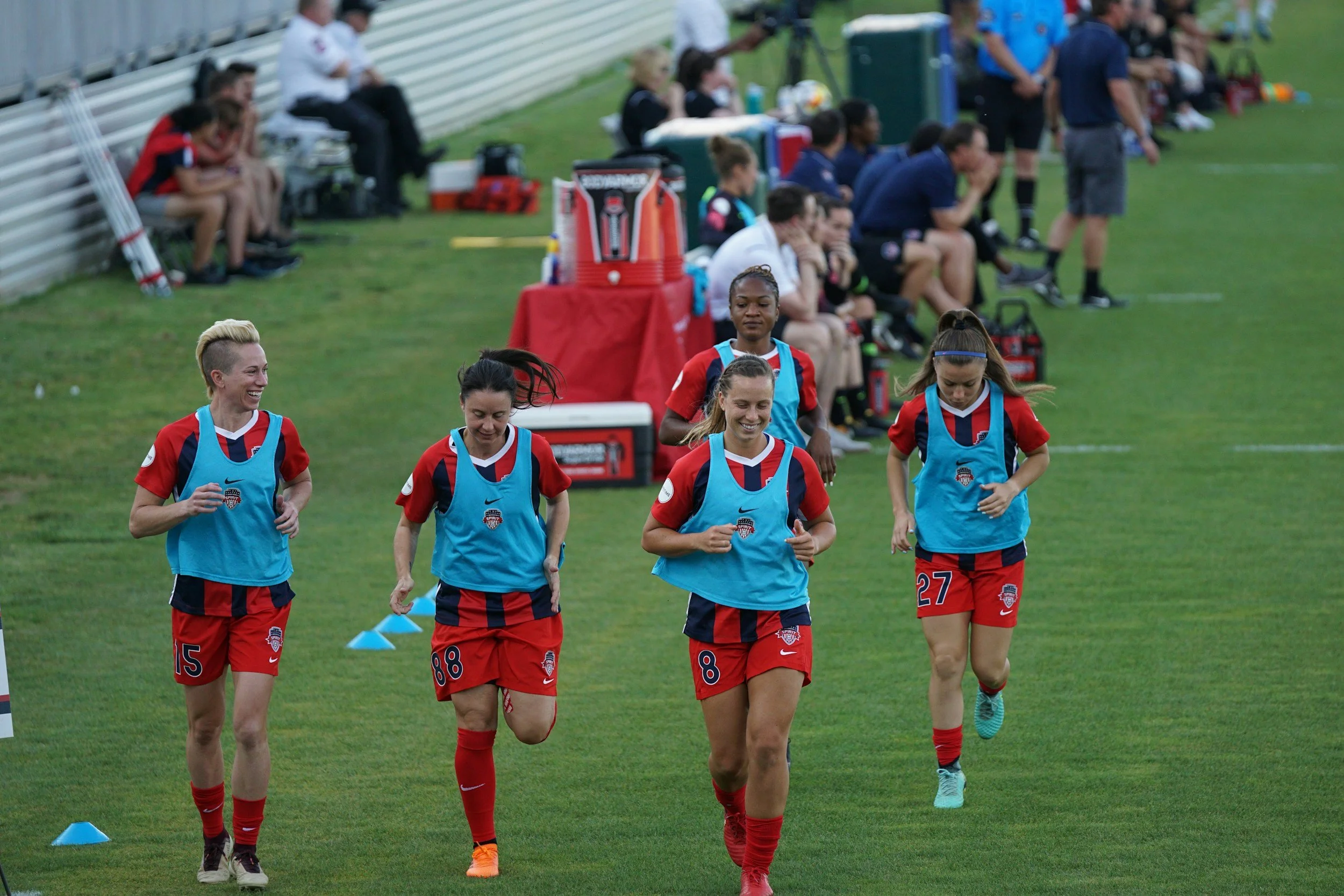
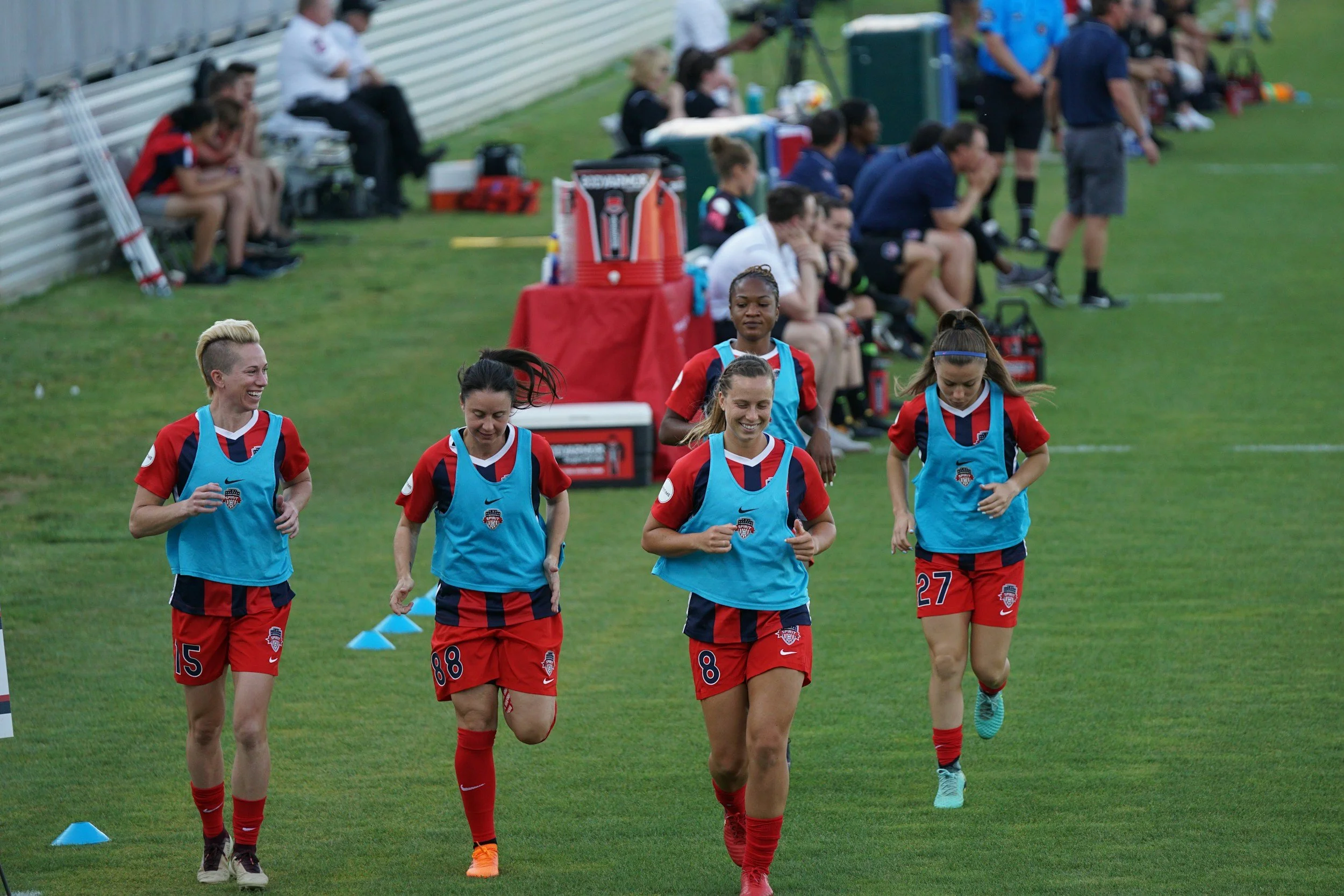
Nutrition plays a crucial role in an athlete’s performance, health, and recovery. It is important to highlight that female athletes have unique needs and characteristics that require personalized nutrition approaches. Understanding these differences is key to adapting dietary recommendations to their specific needs, helping maintain good health and optimal performance.
Below, I’ll discuss important factors that can influence both performance and the nutritional needs of female athletes.
Differences in Metabolism
Female athletes present distinct and unique physical and metabolic characteristics. For example, compared to men, women generally have higher body fat percentages and lower muscle mass. This results in a lower resting metabolism, which influences calorie and nutrient recommendations. Considering these factors is important in order to create an appropriate nutrition plan tailored to those needs.
Nutritional Needs
Both men and women require the same basic nutrients, including proteins, carbohydrates, fats, vitamins, minerals, and water. However, the required amounts vary because female athletes have nutritional needs that differ from those of men. Several factors, such as hormonal changes, higher body fat percentage, lower sweat rates, and increased risk of nutrient deficiencies, make their requirements unique.
Micronutrients such as iron, calcium, and vitamin D are especially important for an athlete’s health, sports performance, and bone health. In addition, iron deficiencies are common among female athletes, especially those following restrictive diets or experiencing heavy menstrual cycles. This is important to consider because iron deficiency can lead to fatigue and decreased athletic performance if left untreated.
The Menstrual Cycle
An athlete’s menstrual cycle can be closely related to body weight, performance, and nutrition. For example, inadequate nutrition, especially diets that are too low in calories or highly restrictive, can cause menstrual irregularities or even loss of menstruation. These issues are often common in younger athletes. Therefore, monitoring the menstrual cycle and carefully evaluating nutrition intake are important to ensure good health.
It is common for some athletes to experience weight changes throughout the menstrual cycle. Some studies indicate that during the luteal phase (the days leading up to menstruation), there may be slight weight gain and fluid retention. Because these changes are normal and temporary, weighing yourself during this phase is not recommended.
Although there are no specific nutrition guidelines for each phase of the menstrual cycle, adjustments can be made based on symptoms. For example, some women experience increased fatigue during menstruation, which may affect performance. In these cases, consuming foods rich in iron and vitamin C is recommended to compensate for blood loss, along with anti-inflammatory foods to help relieve discomfort. In addition, adapting training based on symptoms and how the athlete feels is important.
There are also cases where appetite and cravings increase, so it is recommended to provide strategies to manage them while prioritizing protein intake, whole carbohydrates, fruits, vegetables, and healthy fats. Every athlete experiences her cycle differently, so adapting nutrition and training based on symptoms is key to maintaining strong performance.
Nutrition for athletes going through menopause may also look different. For this reason, working with a licensed nutrition professional is recommended to address the unique needs of this population.
Concerns About Nutrition and Body Image
Female athletes are at greater risk for issues related to eating behaviors and body image due to social pressures and sport-specific aesthetic standards. This increases the risk of developing issues such as body dissatisfaction, poor body image, disordered eating, and restrictive patterns like extreme dieting and inadequate food intake. These problems are more common in sports where physical appearance and body weight are heavily emphasized.
It is essential to identify and address these issues early with support from nutrition professionals and psychologists in order to promote a healthy relationship with food and a positive body image through a balanced, non-restrictive approach to nutrition. It is also important to create supportive and safe environments that prioritize health over aesthetic standards.
Inadequate Food Intake and Low Energy Availability
Poor nutrition can lead to nutrient deficiencies, low energy levels, and reduced athletic performance. One of the most common clinical concerns among female athletes is low energy availability, known as Relative Energy Deficiency in Sport (RED-S), which occurs when food intake is insufficient and results in health problems and poor sports performance.
If this energy deficiency continues for a long period of time, it can lead to health issues such as hormonal disruptions, menstrual irregularities, weakened bones, and complications affecting other body systems. To prevent these health concerns and maintain optimal performance, it is essential to ensure adequate food intake and maintain a balanced diet that meets an athlete’s nutritional requirements.
In conclusion, understanding the unique characteristics and needs of female athletes is key to developing an appropriate nutrition plan with the goal of maximizing both performance and health.
Remember to visit a licensed sports nutritionist if you would like individualized and effective recommendations tailored to your specific needs and goals.
Looking for a smarter way to fuel?
READ MORE, FUEL MORE!