What is an intravenous vitamin drip?
Written by: Nancelys M. Rodriguez
Revised by: Rocío Rivera-Ortega, MS, RD, LND & Tatiana Velez, MS, RD, LND, CPT
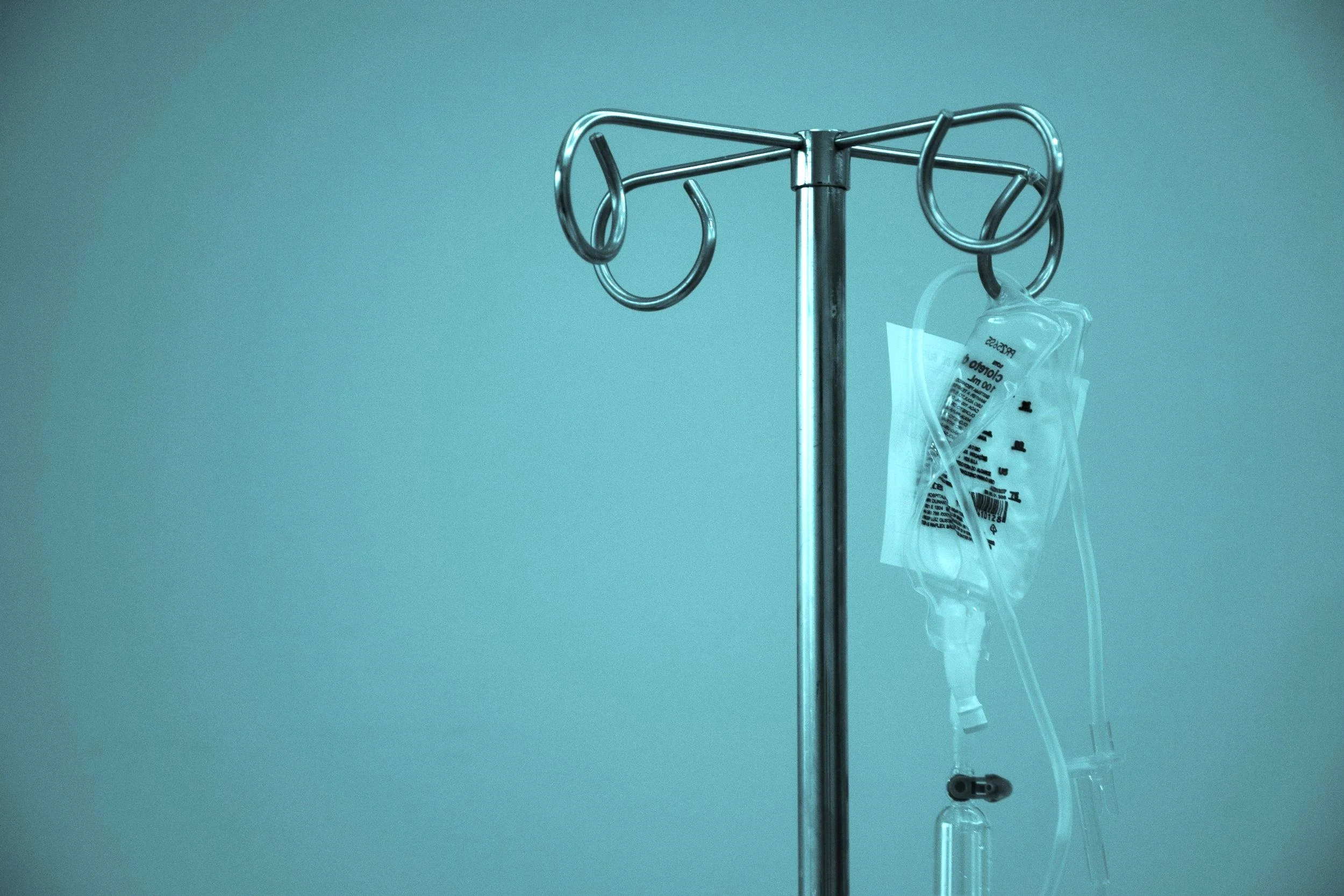
As Puerto Rican society continues to grow in interest toward achieving a healthy lifestyle, intravenous vitamin drips—better known in English as IV bags—have gained increased visibility within the wellness industry. Many businesses have marketed the use of IV drips for recreational purposes.
Intravenous drips are generally administered in hospital settings to treat dehydration and other conditions, where the delivery of specific fluids allows for rapid recovery.
Below are the most important details about the use of these medical products.
What are intravenous vitamin drips used for and what fluids do they contain?
Intravenous vitamin drips are specially prepared liquid formulas used to treat medical conditions as well as dehydration caused by exercise, prolonged heat exposure, or surgical procedures.
The basic components of these fluids include a combination of electrolytes such as saline solution, vitamins, and minerals. Another commonly administered component is dextrose.
Among the main micronutrients typically provided are vitamin C, vitamin D, B-complex vitamins, and minerals such as calcium, magnesium, and iron.
What are the benefits and risks of IV vitamin drips?
Their main benefits, as described in scientific literature, are related to clinical use. However, if the amount of fluids administered exceeds the body’s ability to absorb or excrete them, health risks may arise, including heart failure, high blood pressure, and fluid accumulation in the lungs.
Benefits
Used to support immune status
Medical treatment for dehydration and electrolyte imbalance
Helps reach micronutrient (vitamin and/or mineral) levels when dietary intake is insufficient
Risks
The kidneys naturally filter and eliminate bodily fluids without the need for additional fluid administration. Although IV therapy is common in hospital settings, precautions must be taken when used outside of this environment. Administration must be strictly based on medical treatment and/or medical nutrition therapy.
Main risks include:
Infections: Bacteria may enter the bloodstream through the insertion site
Infusion rate errors: If administered too quickly or incorrectly, it may harm the patient
Fluid overload: Excess fluid can increase venous pressure and trigger cardiac episodes
Phlebitis and thrombophlebitis: Inflammation of the vein’s inner lining
Infiltration: One of the most common complications, occurring when fluids or medications leak into surrounding tissues
Who should receive intravenous vitamin drips?
IV fluids are primarily used to treat dehydration or correct clinically diagnosed vitamin or micronutrient deficiencies. A person may experience severe dehydration in cases such as:
Illness
Severe injuries or burns
Surgery or prolonged periods without food or fluids
Need for specific micronutrient treatment
Who can safely administer intravenous vitamin drips?
IV fluids are primarily prescribed by a physician as part of a healthcare team. They are administered by nurses, who must continuously monitor the patient’s fluids and electrolyte status.
According to information from the University of Cambridge, nurses must complete approximately 30 hours of IV administration training and hold a Registered Nurse (RN) license.
Are intravenous vitamin drips FDA-approved?
Intravenous vitamin therapy is not approved by the FDA. In an official communication from October 2021, the FDA expressed concerns regarding this growing trend.
The agency emphasized the importance of maintaining a sterile environment during manufacturing, packaging, administration, and storage, as these conditions are not always clearly regulated in wellness settings.
The FDA encourages medical clinics to follow local laws for safe administration and advises patients to remain alert and report any adverse events during IV therapy.
It is also important to consider that the volume of fluids administered intravenously must not exceed what the body can safely absorb or excrete.
If an athlete is interested in IV vitamin therapy, they should consult their sports medical team due to regulations from the World Anti-Doping Agency (WADA).
In summary
When vitamins and minerals are administered synthetically, as in intravenous drips, the patient’s nutritional deficiencies must be carefully evaluated. Additionally, intake should be guided by Dietary Reference Intakes (DRIs) to prevent toxicity and medical complications associated with excessive vitamin and mineral consumption.
Fuel Labs sports nutritionists have the necessary education to evaluate clients’ nutritional needs in order to support and optimize overall health. As healthcare professionals, we encourage the Puerto Rican population to seek appropriate health services and safe resources to maintain their well-being.
Looking for a smarter way to fuel?
READ MORE, FUEL MORE!