7 Most Popular Energy Drinks in Puerto Rico
Author: Rocío Rivera-Ortega, MS, RD, LND & Tatiana Velez, MS, RD, LND, CPT
Co-author: Nancelys M. Rodríguez
A large part of the population of Puerto Rico, including athletes, turn to the use of energy drinks due to the fast-paced lifestyle they lead.
As experts in the field of nutrition, we evaluated the energy drinks available on the market and provide information on the most important data to examine.
Disclaimer: You support us with your purchase through a small percentage Amazon gives us at no additional cost to you. Thank you!
What is an energy drink?
Energy drinks are defined as beverages that contain stimulating ingredients. These drinks promise an increase in energy, greater alertness, and improved physical performance.
What ingredients do energy drinks contain?
Caffeine is one of the most commonly used stimulating compounds in the preparation of these drinks. The average caffeine added in energy drinks ranges from 70 to 240 mg per 16 fl oz.
The caffeine recommendation defined by the FDA in the 2020–2025 Dietary Guidelines for Americans is 400 mg daily. This recommendation is equivalent to approximately 4 cups of coffee per day.
In addition to caffeine, ingredients such as taurine, B vitamins, guarana, and glucuronolactone are used.
As interest in the well-being of the Puerto Rican population increases, a greater intake and variety of energy drinks in the market has also been demonstrated.
Below, the most popular energy drinks in Puerto Rico are evaluated.
Warning about energy drinks
These drinks are not recommended for children, pregnant and breastfeeding women, or other individuals sensitive to caffeine. In addition, these drinks are contraindicated for individuals with a history of kidney, liver, and heart conditions.
It is highly recommended that you first consult your dietitian or primary physician before beginning to use them.
Red Bull
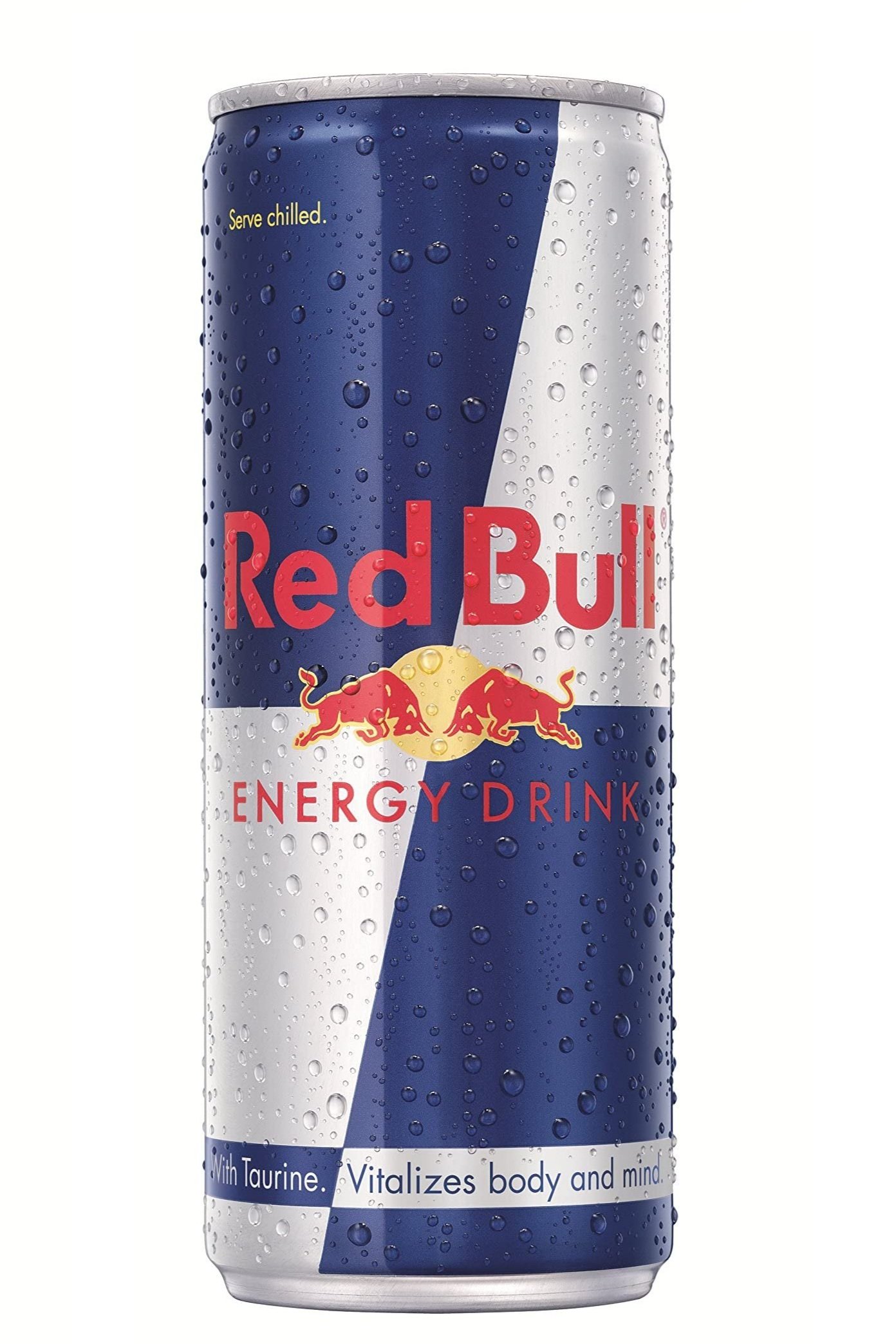
Red Bull is one of the most popular and well-known energy drinks in the general population. This drink contains 114 mg of caffeine in a 12 fl oz container and has 37 g of carbohydrates. According to its ingredient list, it does not contain proprietary blends.
This energy drink includes caffeine, B-complex vitamins, and taurine among its stimulating components. This product is approved by the National Sanitation Foundation.
This National Sanitation Foundation (NSF) program certifies that what the nutrition label states is correct and, in addition, that it does not contain unsafe levels of contaminants, prohibited substances, or masking agents.
Ciclón
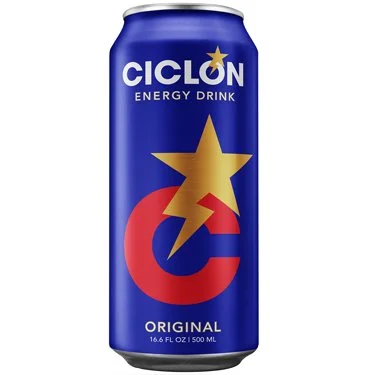
The Ciclón energy drink contains 80 mg of caffeine in an 8.3 fl oz container and provides a total of 28 g of carbohydrates. According to its ingredient list, it contains taurine, sodium citrate, inositol, caffeine, and B-complex vitamins. Artificial colors are also added. According to the evaluation of this energy drink, it does not contain proprietary blends and is not approved by the National Sanitation Foundation.
Monster
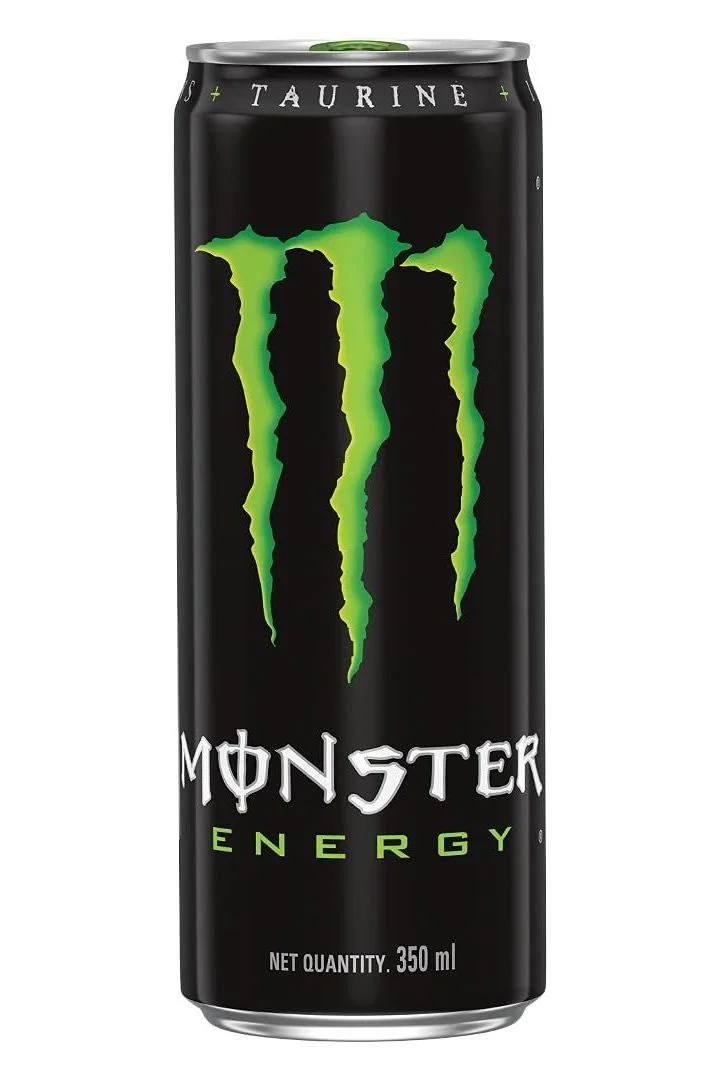
Monster is another of the most common and widely consumed energy drinks by the general population. It contains 169 mg of caffeine in a 16 oz can and contains 54 g of carbohydrates. Compared to other energy drinks, it contains a higher amount of sugars.
According to the ingredient list and nutrition label, this energy drink contains proprietary blends and is not approved by NSF. According to its ingredient list, the proprietary blend contains glucose, taurine, panax ginseng extract, L-carnitine, caffeine, glucuronolactone, inositol, guarana extract, and maltodextrin. Due to its content, individuals suffering from kidney or liver conditions should be cautious when consuming this drink.
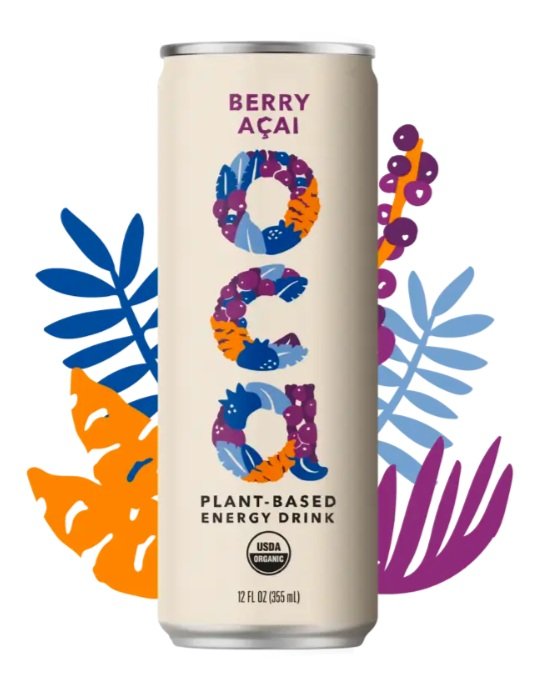
OCA
OCA is an energy drink with ingredients based on organic plants, with tapioca syrup being one of its main ingredients. When evaluating its nutrition label, this drink contains 120 mg of caffeine in 12 fl oz and 9 g of carbohydrates.
According to the ingredient list, it does not contain any proprietary blend, and the energy drink is not approved by NSF. Among the main ingredients are tapioca and agave syrups, acacia gum, citric acid, natural flavors, caffeine from green coffee, and organic stevia.
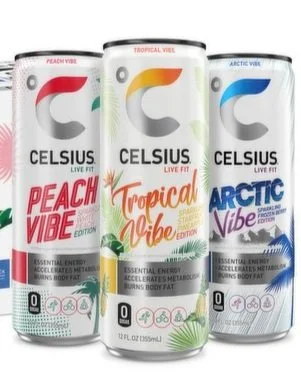
Celsius
The Celsius energy drink has recently gained more consumption in Puerto Rican society. This is because it is being used as a new alternative to energy drinks, both in the gym and in daily life. It contains 200 mg of caffeine in a 12 fl oz container and 2 g of carbohydrates. Its sugar content is lower than that of other energy drinks; however, the caffeine amount is higher.
According to its nutrition label, this drink contains a proprietary blend (MetaPlus Proprietary Blend) that includes taurine, guarana extract, caffeine, glucuronolactone, ginger extract, green tea extract, and EGCG (epigallocatechin gallate). This drink is not approved by NSF.
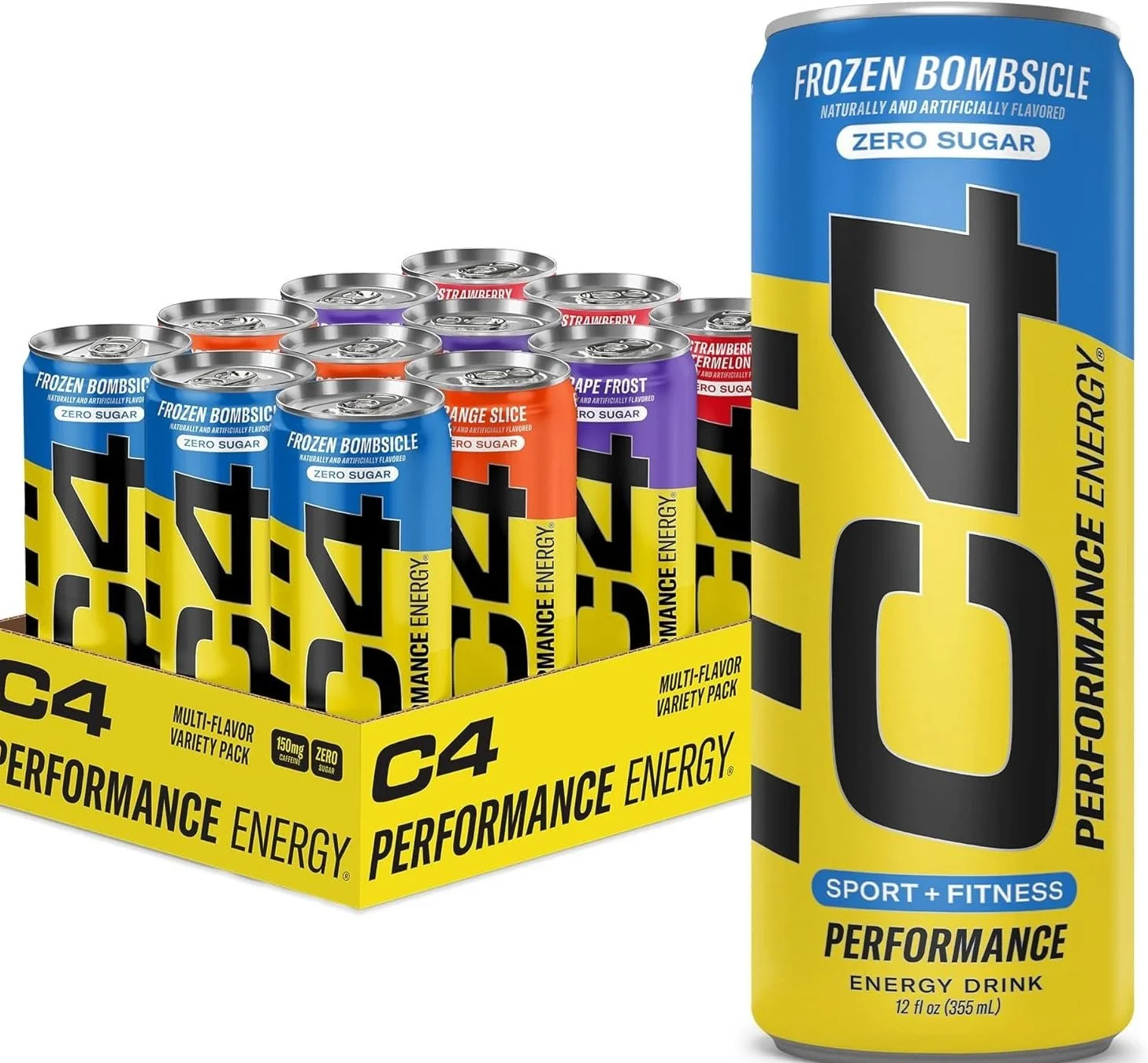
C4
The C4 energy drink has become increasingly popular in gyms. According to its nutrition label, it contains 200 mg of caffeine in 16 fl oz and 0 g of carbohydrates. Compared to other drinks, its caffeine content is high and it provides no sugar. This drink is approved by NSF but does not contain a proprietary blend.
According to the ingredient list, this energy drink contains carbonated water, CarnoSyn beta-alanine, citrulline, malic acid, Betapower, anhydrous beta-alanine, a potassium-based preservative, caffeine, sucralose, among other ingredients.
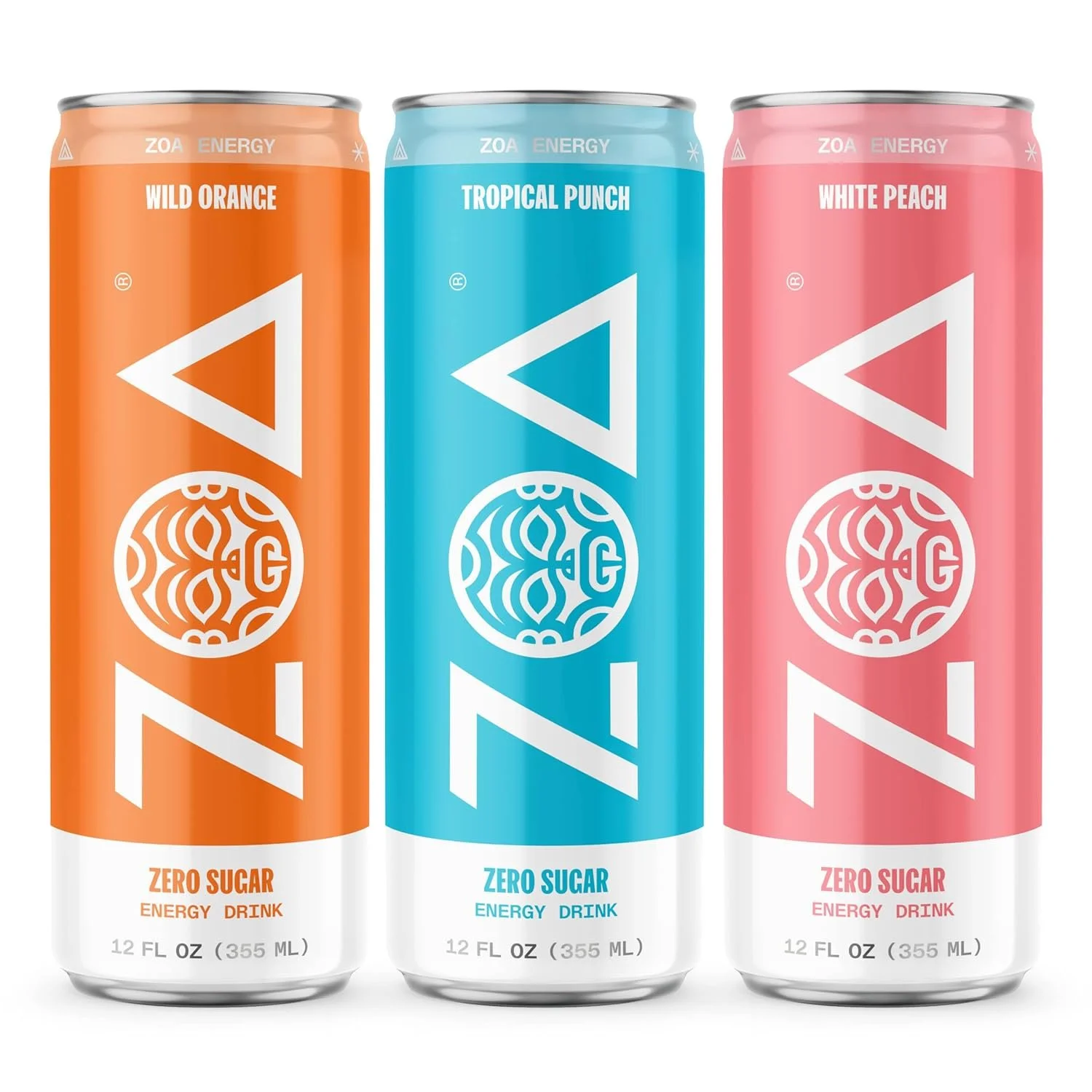
ZOA
The caffeine content of ZOA is 160 mg in 16 fl oz. It contains no carbohydrates. It also does not contain a proprietary blend and is not approved by NSF, although some of its other products are NSF certified. On the nutrition label, its main ingredients are carbonated water, citric acid, sodium citrate, amino acids, and vitamins.
The main stimulating compounds in this energy drink come from green tea extract, caffeine, and other natural sources.
Consumption of energy drinks
The popularity of energy drinks is mainly due to the effect they add to daily activities, especially for people who feel fatigued during demanding activities such as high-performance sports.
According to the National Center for Complementary and Integrative Health (NIH), energy drink consumption has increased among young people and adults aged 18–34. However, it is important to note that energy drinks are not a permanent solution for fatigue and lack of energy; their use is recommended to be occasional. If you suffer from constant fatigue and lack of energy, it is recommended that you visit your nutritionist-dietitian to ensure you are meeting your energy needs.
What are the concerns regarding consumption?
According to an article in Human Nutrition Perspectives, the safety of these drinks has not yet been fully studied, and in addition, they could present health risks in individuals who consume them regularly and do not monitor intake amounts. In some cases, regular consumption has been associated with liver, heart, and kidney problems.
One of the greatest concerns among health professionals regarding frequent consumption of energy drinks begins with evaluating the ingredient list. On the nutrition label, some include a section mentioning a proprietary blend. These blends are prepared with different substances solely to be added to energy drinks. Although the ingredients in the blend are known, the amounts used are not disclosed.
In addition, high-performance athletes may be at risk of consuming substances not approved by WADA (World Anti-Doping Agency).
What are the risks of consumption?
High amounts of caffeine are associated with the risk of cardiovascular conditions. These include changes in heart rhythm and blood pressure. In addition, high caffeine intake is associated with dehydration, digestive complications, changes in sleep patterns, and anxiety.
Another major concern related to the nutritional content of energy drinks is the high amount of added sugar they contain. Generally, a 16 oz container exceeds the maximum recommended daily sugar intake. According to the American Heart Association, 36 g of sugar per day is recommended. Because of this, they are not recommended for children, pregnant or breastfeeding women, or individuals with diabetes or liver conditions.
What are their benefits?
Analyzing some of the scientific evidence on energy drinks, we can find that they may have some beneficial effects on energy levels, performance in certain physical activities, and alertness. Despite this, scientific studies supporting these benefits are limited and do not outweigh the risks or concerns associated with excessive consumption of these drinks.
Conclusion
As sports nutrition dietitians, we encourage the Puerto Rican community to evaluate the ingredients of the energy drinks they frequently consume, especially those containing proprietary blends. This could help prevent the risks associated with excessive consumption of these beverages.
Likewise, we promote balance in food and beverage consumption in order to meet recommended daily sugar and caffeine intake.
The Fuel Labs team has the necessary credentials to provide individual consulting for physically active individuals or elite athletes. If you are interested in individual consulting or consulting for your sports team, you may request an appointment.
Looking for a smarter way to fuel?
READ MORE, FUEL MORE!