Creatine: What Is It? Should You Take It?
Written by: Rocío Rivera-Ortega, MS, RD, LND & Neychla Abreu Millán, RD, LND, CPT
Creatine: What Is It? Should You Take It?
Have you ever wondered whether creatine supplementation is worth considering?
If you are an athlete or simply maintain an active lifestyle, creatine may offer several performance and health benefits. In this blog, we’ll explain what creatine is, how it works, its potential benefits, safety considerations, how to take it, and what to look for when choosing a supplement.
What Is Creatine?
Creatine is a molecule stored in skeletal muscle that acts as a rapid energy source during high-intensity, explosive activities such as weightlifting or short sprints. It is primarily produced in the liver and, to a lesser extent, in the kidneys and pancreas. Once produced, creatine is transported to the muscles where it is stored for later use as quick energy. A small amount is also stored in the brain.
Overall, creatine helps improve performance in high-intensity exercise and supports increases in muscle mass when combined with resistance training.
What Is Creatine Used For?
Creatine was originally known mainly for its role in strength sports and muscle building. However, more recent research has shown additional benefits beyond performance, including potential cognitive effects.
Creatine acts as an energy reserve in the muscles, stored as phosphocreatine. During intense exercise, the body requires rapid energy production. Phosphocreatine helps regenerate ATP, the body’s primary energy currency, allowing muscles to maintain high-intensity output.
With higher creatine stores, the body can produce energy more quickly, which may improve strength, speed, and exercise capacity during repeated bouts of effort.
Where Do We Get Creatine From?
Creatine is naturally produced in the body and can also be obtained through food, primarily from protein-rich sources such as meat and fish. However, dietary and endogenous production levels are relatively low.
For this reason, creatine is also widely available as a supplement, with creatine monohydrate being the most common and well-researched form. Supplementation helps increase muscle creatine stores beyond what is possible through diet alone, supporting improved exercise performance.
What Is the Best Type of Creatine?
There are several forms of creatine available on the market, but creatine monohydrate is the most studied and widely supported by scientific evidence. It is highly effective and well absorbed.
Other forms, such as creatine ethyl ester, creatine HCL, and creatine nitrate, are often marketed as having superior absorption. However, current research does not provide strong evidence that these forms are more effective than creatine monohydrate.
Overall, creatine monohydrate remains the gold standard in terms of safety, effectiveness, and research support.
What Are the Benefits of Creatine Supplementation?
Creatine has been shown to offer multiple benefits for active individuals and athletes:
It improves performance in high-intensity activities such as sprinting and weightlifting, helping athletes perform more reps, lift heavier loads, or sustain repeated bursts of effort.
It increases overall training capacity, allowing for greater workload during exercise sessions.
It supports gains in muscle mass, strength, and muscle size when combined with resistance training.
It may enhance post-exercise recovery by improving energy replenishment.
It can benefit endurance athletes during repeated sprint efforts or high-intensity intervals.
It supports performance in team sports such as soccer, basketball, and tennis, where explosive movements are frequent.
It may help preserve muscle during injury recovery or periods of immobilization.
Emerging research also suggests potential cognitive benefits, including improved brain energy metabolism and possible neuroprotective effects.
Creatine and Cognitive Health
Beyond physical performance, creatine may also support brain health. Research suggests it can help maintain cellular energy in the brain and may reduce neurological fatigue.
This has led to interest in creatine’s potential role in cognitive performance, brain injury recovery, and protection against conditions involving neurodegeneration. It may also be relevant in sports with higher risk of concussion or traumatic brain injury.
Is Creatine for Everyone?
Creatine is one of the most extensively researched supplements and is generally considered safe for healthy adults, athletes, and older adults.
However, it is always recommended to consult a healthcare professional before starting any supplementation regimen.
When and How Should You Take It?
The standard recommended dose is 3–5 grams per day. A loading phase is optional and involves higher doses for a short period to saturate muscle stores more quickly, followed by a maintenance phase.
Creatine can be taken at any time of day, but consistency is key. Many athletes prefer taking it close to training sessions, either before or after exercise. Research suggests timing is less important than daily consistency.
It is often recommended to take creatine with carbohydrates or meals to support uptake. Most importantly, it should be taken daily—even on rest days.
Does Creatine Cause Weight Gain?
A common effect of creatine supplementation is a small increase in body weight. This is not due to fat gain, but rather increased water retention within muscle cells and potential increases in muscle mass over time.
For most individuals, this weight change is minimal and is outweighed by improvements in strength, performance, and training capacity.
What Supplement Brand Should You Choose?
It is important to note that dietary supplements are not strictly regulated by the FDA. Because of this, consumers should be cautious when selecting products and seek guidance from qualified health professionals.
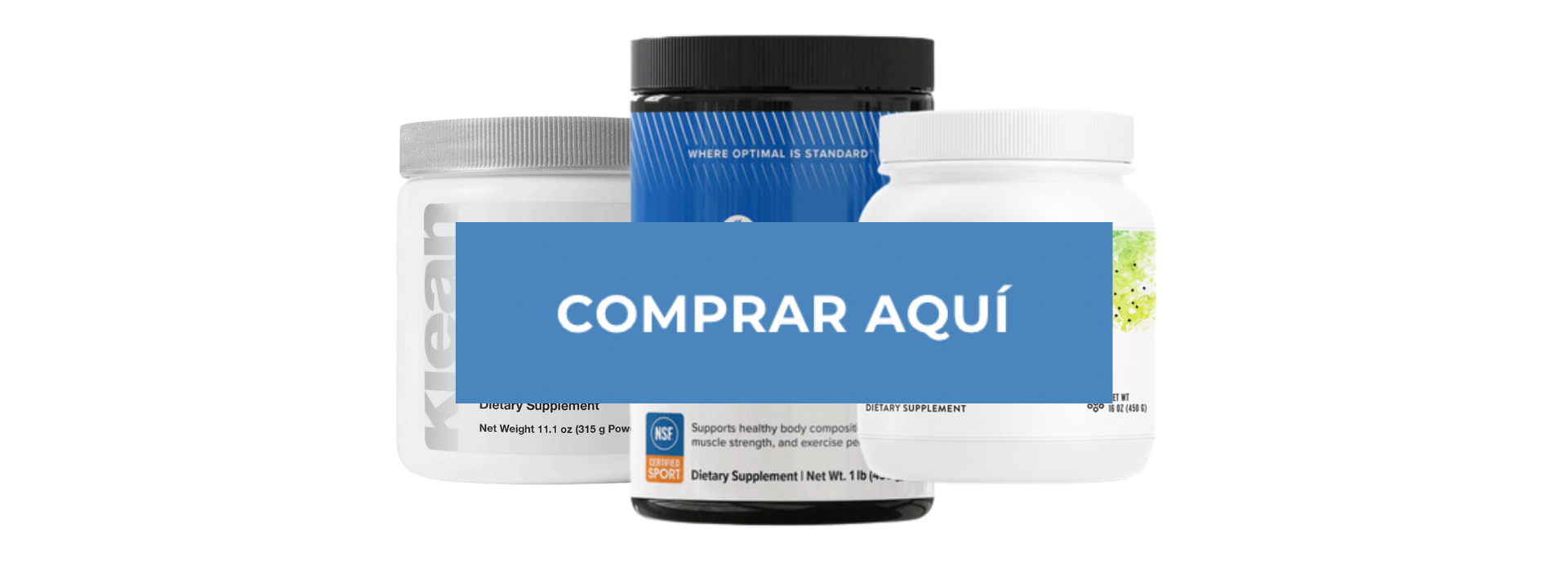
Athletes competing at collegiate or professional levels must also consider anti-doping regulations from organizations such as the NCAA and the World Anti-Doping Agency (WADA). Choosing third-party tested supplements that are certified for sport is strongly recommended.
Explore products approved by our sports dietitians.
Before purchasing any supplement, consult with a sports dietitian or healthcare professional to ensure safety and appropriateness.
Final Considerations
Creatine is a safe and effective supplement that can benefit a wide range of individuals, from elite athletes to recreational gym-goers. However, it is not a substitute for a well-balanced diet or structured training program.
If you are considering creatine supplementation, working with a qualified healthcare professional can help you determine the right dosage and strategy for your goals.
For personalized guidance, the sports dietitians at Fuel Labs offer individualized nutrition counseling, performance nutrition plans, and consulting for athletes and sports organizations.
ReferencEs
Antonio J, Candow DG, Forbes SC, et al. Common Questions and Misconceptions about Creatine supplementation: What Does the Scientific Evidence Really show? Journal of the International Society of Sports Nutrition. 2021;18(1). https://www.ncbi.nlm.nih.gov/pmc/articles/PMC7871530/
Jagim AR, Kerksick CM. Creatine Supplementation in Children and Adolescents. Nutrients. 2021;13(2):664. doi:https://doi.org/10.3390/nu13020664
Kreider RB, Kalman DS, Antonio J, et al. International Society of Sports Nutrition position stand: safety and efficacy of creatine supplementation in exercise, sport, and medicine. Journal of the International Society of Sports Nutrition. 2017;14(1). doi:https://doi.org/10.1186/s12970-017-0173-z
Ribeiro F, Longobardi I, Perim P, et al. Timing of Creatine Supplementation around Exercise: A Real Concern? Nutrients. 2021;13(8):2844. doi:https://doi.org/10.3390/nu13082844
Forbes SC, Cordingley DM, Cornish SM, et al. Effects of Creatine Supplementation on Brain Function and Health. Nutrients. 2022;14(5):921. doi:https://doi.org/10.3390/nu14050921
Jeukendrup A. Creatine and its effects on performance. askerjeukendrup. Published August 11, 2021. https://www.mysportscience.com/post/creatine-and-performance
Rawson E. Creatine, cognition, and concussion: What does the evidence really show? askerjeukendrup. Published September 3, 2021. https://www.mysportscience.com/post/creatine-cognition-and-concussion
Looking for a smarter way to fuel?
READ MORE, FUEL MORE!