Nutrition and Endurance Sports: Carbohydrate Intake During Exercise
Written by: Rocío Rivera-Ortega, MS, RD, LND
Co-author: Natalia Ramos-Vicente, Nutrition and Dietetics Student

In recent years, there has been a significant increase in participation in endurance sports. From triathlons, marathons, cycling races, to mountain trail running, athletes push both their physical and mental capabilities to the limit. In addition, athletes of all levels are increasingly interested in optimizing performance through training and proper nutrition.
Nutrition is a fundamental component for success and performance in endurance sports. In this blog, we will focus specifically on the role of nutrition during physical exertion in these types of sports.
What are endurance sports?
Endurance exercise usually refers to events lasting more than 30 minutes. Some of the most common endurance sports include cycling, running, trail running, and triathlon. In these sports, where prolonged effort is required over time, nutrition plays an essential role in achieving optimal performance.
During endurance sports, athletes’ nutritional needs increase due to the high physical demands placed on the body. Energy requirements rise significantly, and depletion of energy stores can lead to fatigue and, consequently, a decrease in performance.
Therefore, one of the main nutritional strategies in these sports is to maintain energy levels (fuel) and energy stores as optimally as possible to meet the demands of prolonged exercise.
You might ask: what is this essential fuel, and how do we prevent energy stores from being depleted during exercise?
Humans use carbohydrates as their primary source of energy. Carbohydrates are broken down into glucose, a simple sugar that the body uses for energy. The body stores glucose as glycogen in the liver and muscles, serving as an essential energy reserve—our backup fuel.
During physical activity, especially endurance exercise, these glycogen stores are used for energy. As exercise continues for longer durations, these stores become depleted. When energy reserves run low, performance declines.
Fatigue during prolonged exercise is often associated with glycogen depletion and reduced blood glucose levels. Since endurance sports rely heavily on carbohydrates as the primary energy source, maintaining these reserves is crucial for optimal performance.
How can we maintain energy stores?
This is where consuming carbohydrates during exercise becomes important.
Given the importance of maintaining optimal energy levels in endurance sports, it is essential to prioritize carbohydrate availability before, during, and after exercise. Over the years, research has shown that carbohydrate intake during exercise can improve athletic performance.
Studies have found that consuming carbohydrates during exercise—whether from one or multiple sources—can enhance performance by delaying fatigue associated with low blood glucose and glycogen depletion. As a result, guidelines have been established for carbohydrate intake during exercise based on intensity and duration.
How many carbohydrates should be consumed during exercise?
The recommended amount and type of carbohydrates depend mainly on exercise duration. In general, carbohydrate needs increase as exercise duration increases. The type of carbohydrate and combinations may also vary.
Research suggests that during exercise lasting approximately 30 minutes to 1 hour, large amounts of carbohydrates are not necessary. A carbohydrate mouth rinse, such as a sports drink, may be sufficient to provide performance benefits. However, for activities lasting more than 60 minutes, active fueling strategies are recommended to maintain optimal carbohydrate availability during exercise.
Recommended carbohydrate intake ranges from 30g, 60g, and up to 90g per hour for exercise lasting 1 hour to more than 2.5 hours, depending on tolerance. The longer the duration, the higher the carbohydrate requirement.
What carbohydrate options can be consumed during exercise?
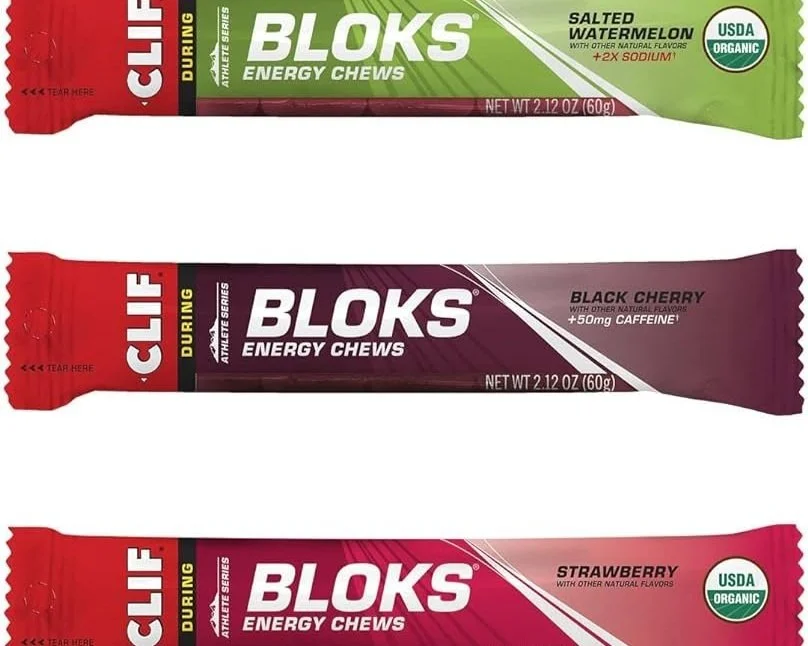
Athletes can use different strategies and nutritional products to meet carbohydrate needs during exercise, including foods and sports nutrition products. The market offers many carbohydrate-based products such as sports drinks, gels, gummies, semi-solid foods, powders, energy bars, and more.
It is recommended to choose simple carbohydrates that are quickly digested and absorbed so the body can use them efficiently for energy. Low-fiber, low-fat, and low-protein options are also preferred to reduce gastrointestinal discomfort and avoid slowing digestion.
Choosing the best option depends on athlete preference, tolerance, exercise duration, and product ingredients.
Product considerations
These are general examples and may not apply to every athlete. Options vary depending on sport duration and individual needs.



Carbohydrate intake Considerations
Carbohydrate intake should be adjusted based on training cycles and competition demands, as both excessive and insufficient intake can negatively affect performance. Individual preferences and gastrointestinal tolerance should also be considered.
During prolonged and high-intensity exercise, blood flow is redirected away from the digestive system toward working muscles and lungs, reducing digestive function. For this reason, consuming concentrated carbohydrates during exercise—combined with reduced digestive activity—may cause discomfort, bloating, gas, or diarrhea. This highlights the importance of training the gastrointestinal system.
If you are an endurance athlete, remember: the best product is not what your friend or favorite athlete uses, but what your stomach tolerates and what helps you reach your goals. The digestive system can be trained and adapted over time like any other muscle. Therefore, if you need to use supplements or sports products, take time to test them and find what works best for you.
It is important to emphasize that each athlete has individual goals and nutritional needs. Nutrition should be a priority for improving performance, and even more importantly, for preventing injury and negative health outcomes. With the help of a sports dietitian, these goals can be achieved.
Bilingual Dietitian offers nutritional support services for endurance athletes, including personalized counseling plans and consulting for sports organizations and teams. Their high-performance athlete program provides specialized monitoring by licensed nutritionists focused on the athlete’s specific sport and promotes a healthy relationship with food and exercise.
References
Jeukendrup A. (2014). A step towards personalized sports nutrition: carbohydrate intake during exercise. Sports medicine (Auckland, N.Z.), 44 Suppl 1(Suppl 1), S25–S33. https://doi.org/10.1007/s40279-014-0148-z
Jeukendrup A. E. (2011). Nutrition for endurance sports: marathon, triathlon, and road cycling. Journal of sports sciences, 29 Suppl 1, S91–S99. https://doi.org/10.1080/02640414.2011.610348
Karpinski, C., & Rosenbloom, C. (2017). Sports nutrition: A Handbook for Professionals (6th ed.). Academy of Nutrition and Dietetics.
Parnell, J. A., Wagner-Jones, K., Madden, R. F., & Erdman, K. A. (2020). Dietary restrictions in endurance runners to mitigate exercise-induced gastrointestinal symptoms. Journal of the International Society of Sports Nutrition, 17(1), 32. https://doi.org/10.1186/s12970-020-00361-w
Vitale, K., & Getzin, A. (2019). Nutrition and Supplement Update for the Endurance Athlete: Review and Recommendations. Nutrients, 11(6), 1289. https://doi.org/10.3390/nu11061289
Looking for a smarter way to fuel?
READ MORE, FUEL MORE!