1 in 3 People in Puerto Rico Were Living With Obesity in 2022, According to the CDC
Written by: Tatiana Vélez-Burgos, MS, RD, CSSD, LND, CPT
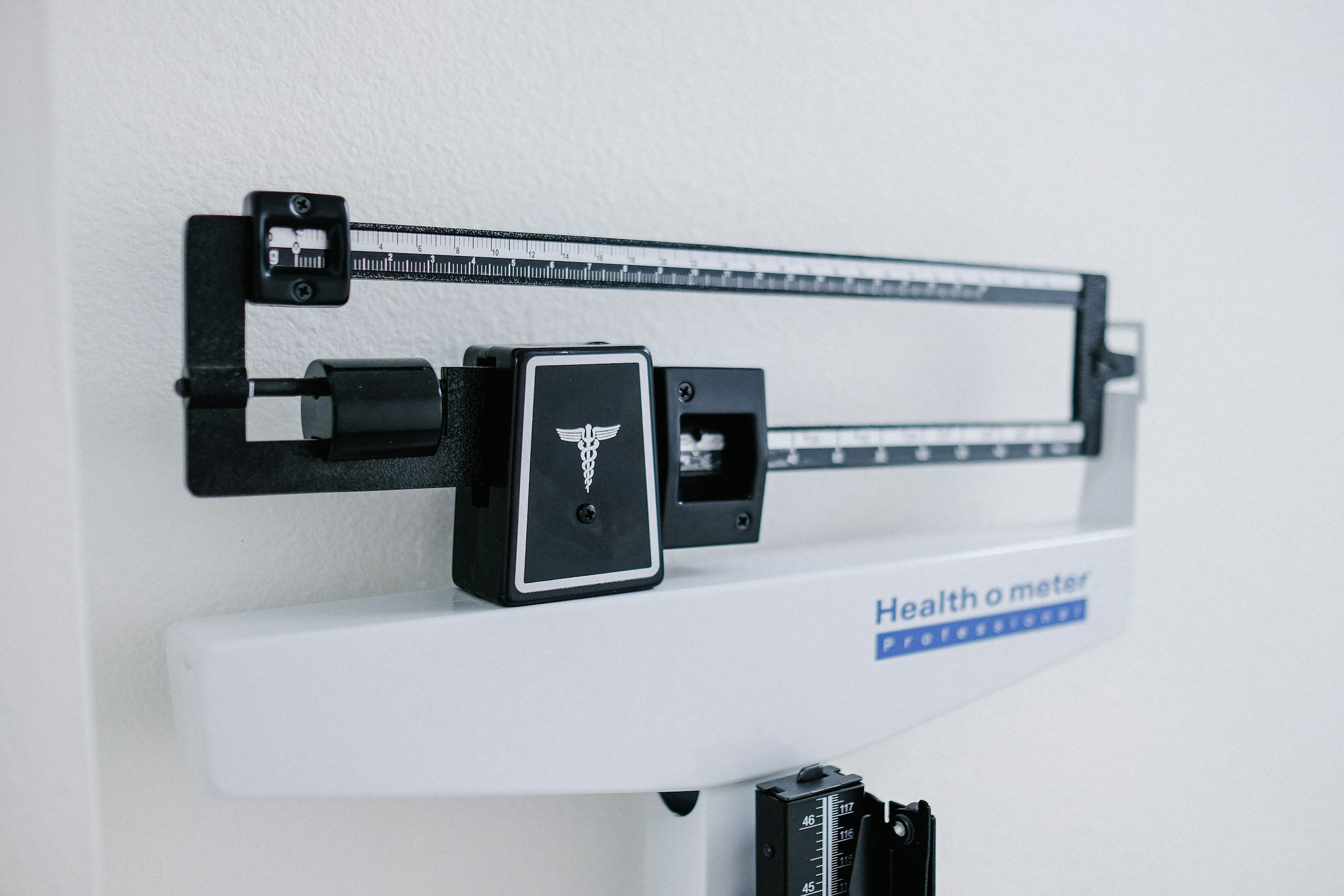
Puerto Rico is facing a critical public health challenge that requires immediate attention and decisive action: the obesity epidemic, a metabolic disease affecting a significant portion of our population.
According to data from the Centers for Disease Control and Prevention (CDC), approximately 34% of Puerto Rico’s population — about one in every three people — is living with obesity. These statistics are based on epidemiological data using body mass index (BMI) as a key indicator to assess population health.
These numbers are alarming and raise several important questions: When will dietitians be fully integrated into educational and prevention programs targeting metabolic diseases? When will registered dietitians be recognized as an essential part of preventive nutrition care and the gold standard for individualized treatment of metabolic conditions? And when will the necessary resources be allocated to prioritize nutrition initiatives?
It is important to emphasize that obesity is a metabolic condition with a significant impact on people’s health and quality of life.
Nutrition is not a luxury — it is a basic human need and one of the most powerful indicators of health. Nutrition education should be part of the curriculum and wellness programs for students, athletes, employees, and the general population alike. The statistics are clear: more than 70% of Puerto Rico’s population is estimated to live with overweight or obesity, according to CDC data from 2022. This means that seven out of every ten people may be struggling with a metabolic disease. Even more concerning, these numbers continue to rise.
Obesity and overweight not only affect quality of life, but also place enormous pressure on healthcare systems. In 2022, 36.6% of Puerto Rico’s population was classified as overweight, while 34.1% was living with obesity, according to CDC data. Over the past decade, obesity cases in Puerto Rico have increased by a concerning 20%, as reported by the Behavioral Risk Factor Surveillance System (BRFSS).
It is time to take concrete action to address this public health crisis.
Dietitians play a critical role in health promotion and the prevention of nutrition-related diseases. Integrating dietitians into prevention and treatment programs is essential to reversing this alarming trend. It is also crucial to allocate sufficient resources to nutrition initiatives and make them a priority within public health policy.
We cannot allow health outcomes in Puerto Rico to continue deteriorating due to a lack of attention and investment in nutrition.
If we fail to address this issue effectively, healthcare providers will become increasingly overwhelmed, and the quality of life of our population will continue to decline. Health is a fundamental human right, and it is our responsibility as a society to ensure that everyone has access to healthy food and the nutrition education needed to make informed decisions about their health.
In summary, immediate action is necessary to combat the obesity epidemic in Puerto Rico, a metabolic disease affecting a substantial portion of the population.
Including dietitians in educational and prevention programs, recognizing their role in medical nutrition care, and allocating adequate resources are critical steps in this effort. The health of our population and the future of our society depend on it.
References:
Behavioral Risk Factor Surveillance System, CDC, 2022. https://www.cdc.gov/brfss/index.html
Looking for a smarter way to fuel?
READ MORE, FUEL MORE!