4 Important Foundations for Increasing Muscle Mass
Written by: Rocío Rivera-Ortega, MS, RD, LND & Tatiana Velez, MS, RD, CSSD, LND, CPT
Co-author: Laura Martínez, Keniel Vega y Megan Rivera, Dietetics Students
What is muscle mass?
Muscle mass refers to the total amount of muscle tissue in the body. Muscle function involves contracting and expanding to produce movement. The amount of muscle mass varies from person to person depending on factors such as gender, age, body composition, nutrition, and physical activity.
Having a higher proportion of skeletal muscle through strength training is associated with health benefits. It also helps prevent muscle loss as we age. Proper muscle development is important for preventing and recovering from injuries and illnesses, supporting overall health.
How to increase muscle mass
Multiple factors must be considered to effectively build muscle mass. Most are related to nutrition, physical activity, and exercise. To achieve this goal, it is essential to combine strength training with proper and balanced nutrition. Sleep and adequate rest are also crucial to support muscle recovery and growth.
Below are the key factors to consider for effective muscle gain.
1. Consume enough energy: avoid caloric restriction
Nutrition and training must work together strategically to achieve muscle gain. While weight loss requires reducing calorie intake, muscle-building requires consuming slightly more calories than the body needs daily to support muscle growth and tissue repair.
Adequate energy stores are essential for increasing muscle mass. When calorie intake is restricted, recovery may slow down and muscle loss can occur instead of muscle gain. It is recommended to discuss individual nutritional needs with a sports dietitian for proper guidance.
2. Consume enough protein
To build muscle, sufficient protein intake is necessary. The diet should include protein-rich foods from both animal and plant sources such as lean meats, fish, eggs, milk, and legumes, as these help stimulate muscle development. Increasing protein intake alongside physical activity can improve strength and support muscle growth and recovery.
According to the Academy of Nutrition and Dietetics, the recommended protein intake for physically active individuals is 1.2 to 2.0 grams per kilogram of body weight per day. This may vary depending on individual goals, medical conditions, or sports injuries, and should be adjusted with a sports dietitian.
3. Add strength training exercises
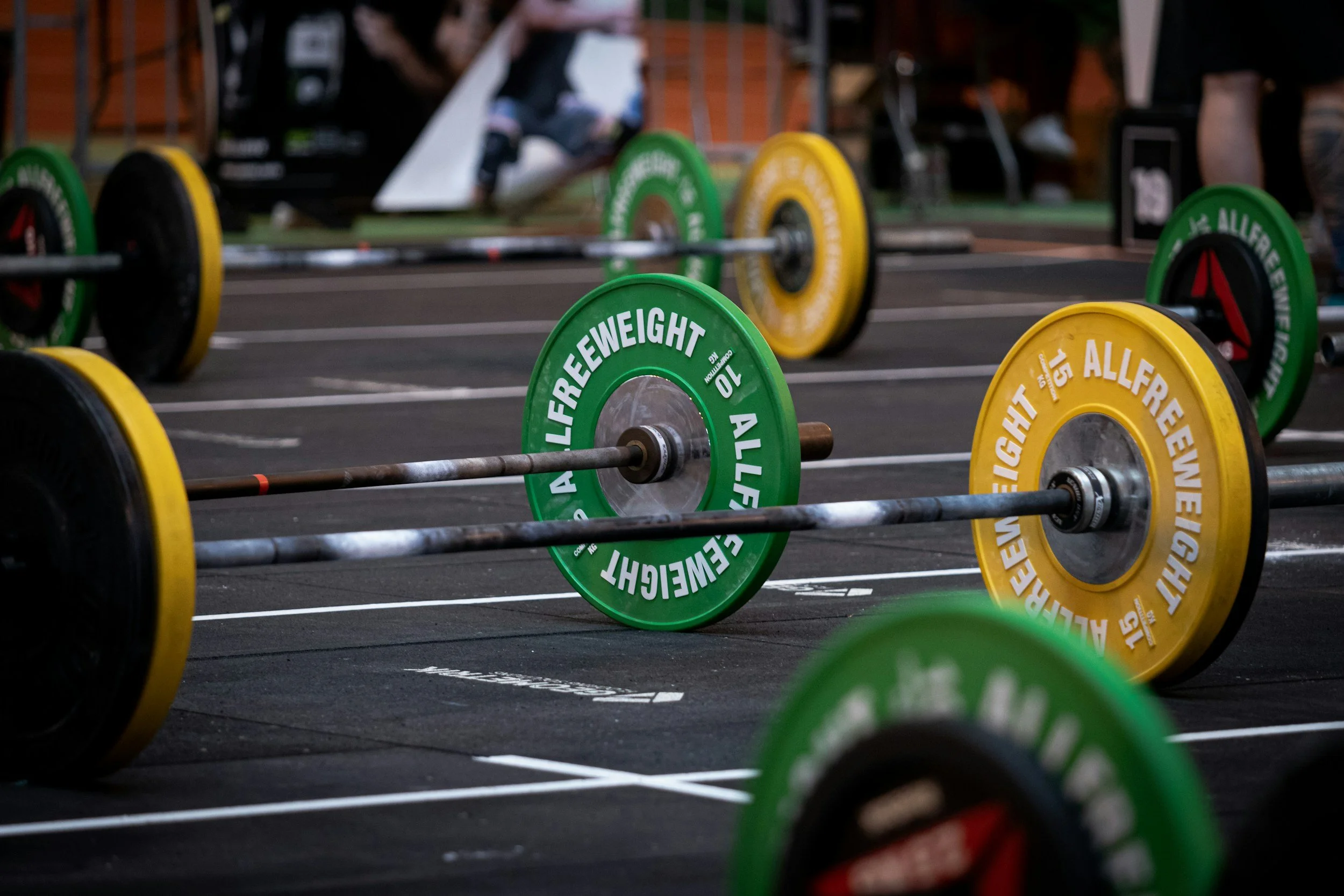
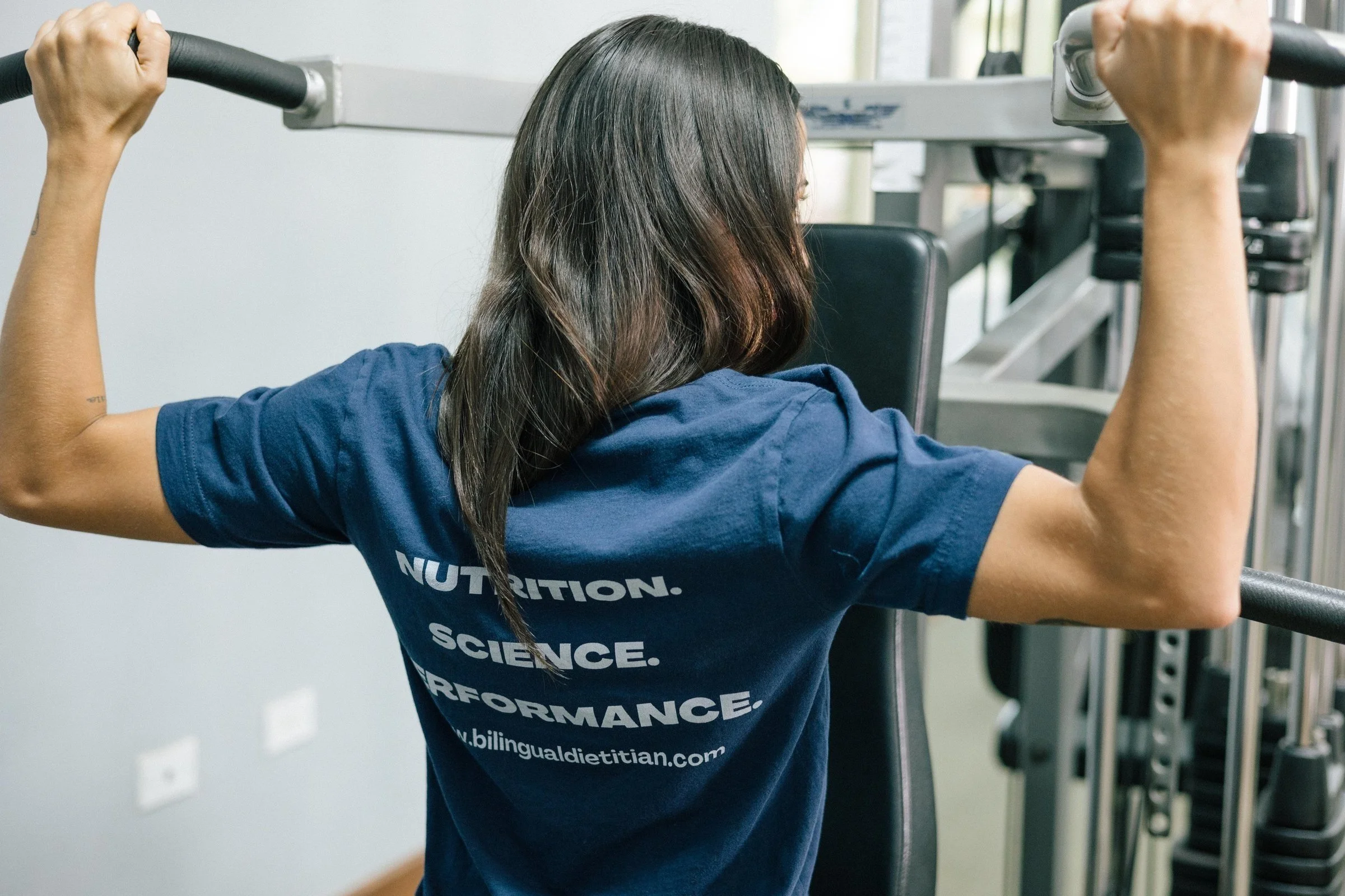
Resistance training is a form of exercise designed to increase muscular strength and endurance. It involves working muscles against resistance, which may include weights, resistance bands, or body weight against gravity. Examples include push-ups, squats, deadlifts, and dumbbell curls.
According to McGlory et al., there is a positive association between strength training and post-exercise protein intake with muscle strength and size. Therefore, the type, intensity, and frequency of exercise directly impact muscle development. It is important to define training structure, including sets and repetitions, to effectively build resistance and increase muscle mass.
The Centers for Disease Control and Prevention (CDC) recommends muscle-strengthening activities of moderate or higher intensity at least two days per week. It is essential to vary workouts and avoid focusing on only one muscle group, ensuring balanced development. Exercises should be performed carefully to avoid injury and ideally under the supervision of a certified personal trainer or strength and conditioning specialist.
4. Sleep and rest properly
Rest is a key component of muscle recovery and growth. During rest, muscles repair, regenerate, and strengthen. Muscle fibers rebuild during recovery, resulting in stronger muscles and increased muscle mass.
Studies have shown that sleep deprivation can negatively affect skeletal muscle function. Poor or insufficient sleep has also been associated with reduced muscle development.
In conclusion
Muscle development requires proper nutrition—especially adequate protein intake—combined with structured strength training and sufficient rest.
The process takes time, patience, dedication, and consistency. Each individual has a unique rate of muscle development and specific nutritional needs.
It is recommended to seek guidance from a sports dietitian if you want to increase muscle mass. This healthcare professional can create personalized nutrition plans aligned with your training routine, body composition, and specific goals. At Fuel Labs, we have two sports nutritionists in Puerto Rico who help individuals and athletes achieve their fitness, performance, and health goals.
ReferencEs:
Carbone, John W., and Stefan M. Pasiakos. “Dietary protein and muscle mass: Translating science to application and Health Benefit.” Nutrients, vol. 11, no. 5, 2019, p. 1136, https://doi.org/10.3390/nu11051136.
McGlory, Chris, et al. “The impact of exercise and nutrition on the regulation of Skeletal Muscle mass.” The Journal of Physiology, vol. 597, no. 5, 2018, pp. 1251–1258, https://doi.org/10.1113/jp275443.
Thomas, D. Travis, et al. “Position of the Academy of Nutrition and Dietetics, dietitians of Canada, and the American College of Sports Medicine: Nutrition and Athletic Performance.” Journal of the Academy of Nutrition and Dietetics, vol. 116, no. 3, 2016, pp. 501–528, https://doi.org/10.1016/j.jand.2015.12.006.
Looking for a smarter way to fuel?
READ MORE, FUEL MORE!