Caffeine and Its Impact on Athletic Performance
Written by: Rocío Rivera-Ortega, MS, RD, LND y Tatiana Vélez, MS, RD, CSSD
Co-author: Natalia Ramos-Vicente, Nutrition and Dietetics Student
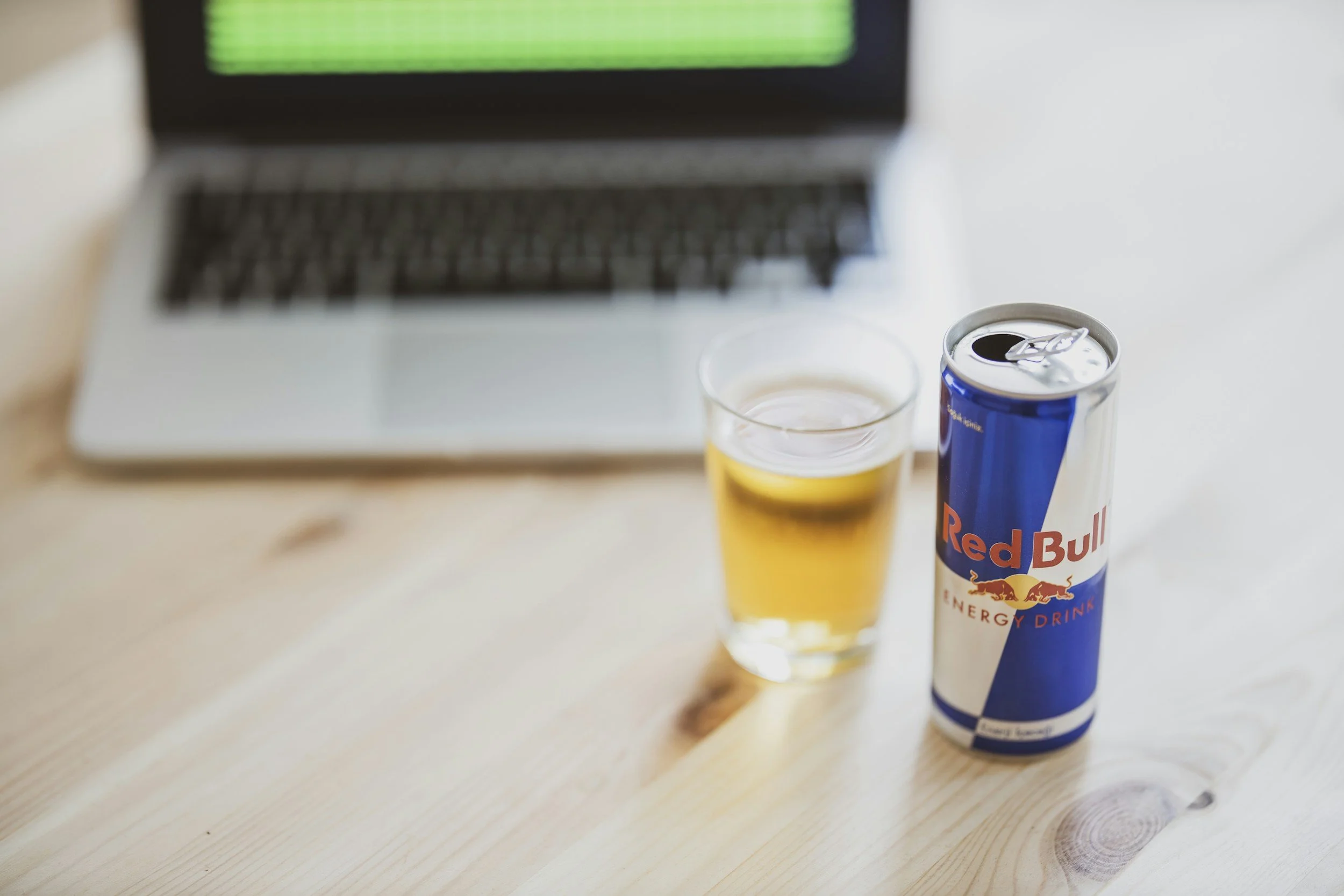
Caffeine consumption has been a topic of great interest due to the benefits it may have on health and athletic performance. However, despite its growing popularity, especially through energy drink consumption, many doubts and misconceptions still remain about how caffeine works in the body.
In this blog you will learn:
How caffeine helps in sports
How caffeine provides energy
What is the best way to consume caffeine
How much caffeine is in a cup of coffee
How much caffeine to consume
Effect of caffeine on athletes
Although it has been widely studied in sports nutrition for its ability to improve athletic performance, reduce fatigue, and increase concentration, it also raises a series of questions that must be understood to maximize its benefits. In this blog, you will find answers to all those questions. Keep reading to learn more about caffeine and its impact on athletic performance.
What is caffeine?
When we think about caffeine, we quickly associate it with coffee, a beverage that most people consume daily.
Chemically, caffeine is a white, odorless, bitter powder with no nutritional value; meaning it does not provide calories. It is a psychoactive substance that stimulates the central nervous system, affecting behavior, alertness, and emotions.
In sports nutrition, it is one of the most commonly consumed and studied supplements, known for improving strength, power, and muscular endurance, as well as increasing concentration, reducing perceived effort, and delaying fatigue, offering significant advantages for athletes.
Where is caffeine found?
Caffeine occurs naturally in different plant species, including coffee, tea, cocoa, and guarana. On the other hand, it can also be added to countless products such as energy drinks, pre-workouts, candies, gummies, carbohydrate supplements, and other sports supplements.
What are the different ways caffeine can be consumed?
Like carbohydrate supplements used by athletes, caffeine can be consumed in different ways. In addition to the most common ways of consuming caffeine, such as coffee and tea, it can also be found in:
Energy drinks
Gels
Energy bars
Chewing gum
Sports drinks
Dissolvable mouth strips
Sprays
Mouth rinses
How does caffeine work in the body?
Caffeine is usually associated with providing more energy. However, caffeine is a substance that does not directly provide energy, meaning it does not provide calories. Rather, it gives us the sensation of having more energy, which is due to its stimulating function that makes us feel more alert, attentive, and focused. After caffeine is fully absorbed about one hour after consumption, it is distributed through the water present in our body to carry out its stimulating activities.
How does caffeine help athletic performance?
In sports that require aerobic endurance (long-duration sports) such as cycling and long-distance running, caffeine consumption has proven to be extremely beneficial. In several studies, caffeine consumption has been shown to improve athletes’ endurance by 2 to 4% (1). This improvement may seem small; however, in professional sports, these differences are crucial since the difference between the top three medalists is usually <0.01%.
In anaerobic sports (short-duration) such as sprinting and weightlifting, studies have shown that using caffeine before exercise delays muscular fatigue, enhancing the athlete’s performance for a longer period of time. Therefore, caffeine may provide benefits in sports performance in both long-duration cardiovascular endurance sports and short-duration explosive sports.
Guidelines on recommended doses and timing of consumption
The optimal time to consume caffeine before exercise depends on its source or form of consumption. However, the commonly recommended timing for consuming this substance is 45 to 60 minutes before exercise. This is due to the time caffeine takes to be absorbed and reach its highest levels in the body, which maximizes its beneficial effects on sports performance.
For caffeine to have a real impact on athletes, it is recommended to consume between 3 to 6 milligrams per kilogram of body weight. According to the FDA, one 8-ounce cup of coffee contains approximately 80–100 mg of caffeine. So, for an athlete weighing around 90 kg, this equals almost 3 cups of coffee. This dose may vary by athlete. Consuming more than this amount may cause adverse effects such as gastrointestinal problems, insomnia, and agitation.
It is crucial to consider individual tolerance and the type of sport being performed when adjusting the dose. Staying within the recommended range not only helps improve performance but also minimizes caffeine side effects such as nervousness, restlessness, anxiety, palpitations, stomach problems, among others.
*For healthy adults, the FDA recommends consuming no more than 400 milligrams of caffeine per day, which equals four or five cups of coffee. This amount is generally not associated with negative effects.
*Caffeine is not recommended for minors, pregnant women, or breastfeeding women.
In summary
Caffeine does not directly provide us with energy since it does not supply calories. However, it does delay fatigue, making us feel less tired because we are more alert and attentive. For it to have a beneficial impact on exercise, it should be consumed 60 minutes beforehand, and the recommended dose is between 3 to 6 milligrams per kilogram of body mass.
In most studies, caffeine has been shown to be effective in sports requiring both aerobic and anaerobic endurance. It is recommended to gradually begin consuming this substance to avoid the adverse effects it may cause.
Fuel Labs offers nutritional support services for athletes, including personalized counseling plans and consulting for organizations and teams. Their sports nutrition program for athletes provides specialized monitoring by licensed nutritionists, focused on the athlete’s specific sport and promoting a positive relationship with food and exercise. If you need help with your nutrition, you may request a nutrition consultation.
References
Guest, N. S., VanDusseldorp, T. A., Nelson, M. T., Grgic, J., Schoenfeld, B. J., Jenkins, N. D. M., Arent, S. M., Antonio, J., Stout, J. R., Trexler, E. T., Smith-Ryan, A. E., Goldstein, E. R., Kalman, D. S., & Campbell, B. I. (2021). International society of sports nutrition position stand: caffeine and exercise performance. Journal of the International Society of Sports Nutrition, 18(1), 1. https://doi.org/10.1186/s12970-020-00383-4
Institute of Medicine (US) Committee on Military Nutrition Research. (2001). Caffeine for the Sustainment of Mental Task Performance: Formulations for Military Operations. National Academies Press (US).
Ketterly J. (2022). Sports Medicine: Ergogenic Aids. FP essentials, 518, 23–28
Martins, G. L., Guilherme, J. P. L. F., Ferreira, L. H. B., de Souza-Junior, T. P., & Lancha, A. H., Jr (2020). Caffeine and Exercise Performance: Possible Directions for Definitive Findings. Frontiers in sports and active living, 2, 574854. https://doi.org/10.3389/fspor.2020.574854
Spriet, L. (2020). Caffeine and Exercise Performance: An Update. Sports Sci. Exch, 33, 1-5.
Looking for a smarter way to fuel?
READ MORE, FUEL MORE!